“When we choose to tell our stories through interactive experiences, the response can be powerful"
Novatrax Studio founder Gideon Uwem on the vision behind X-Pool and designing games from an African perspective.

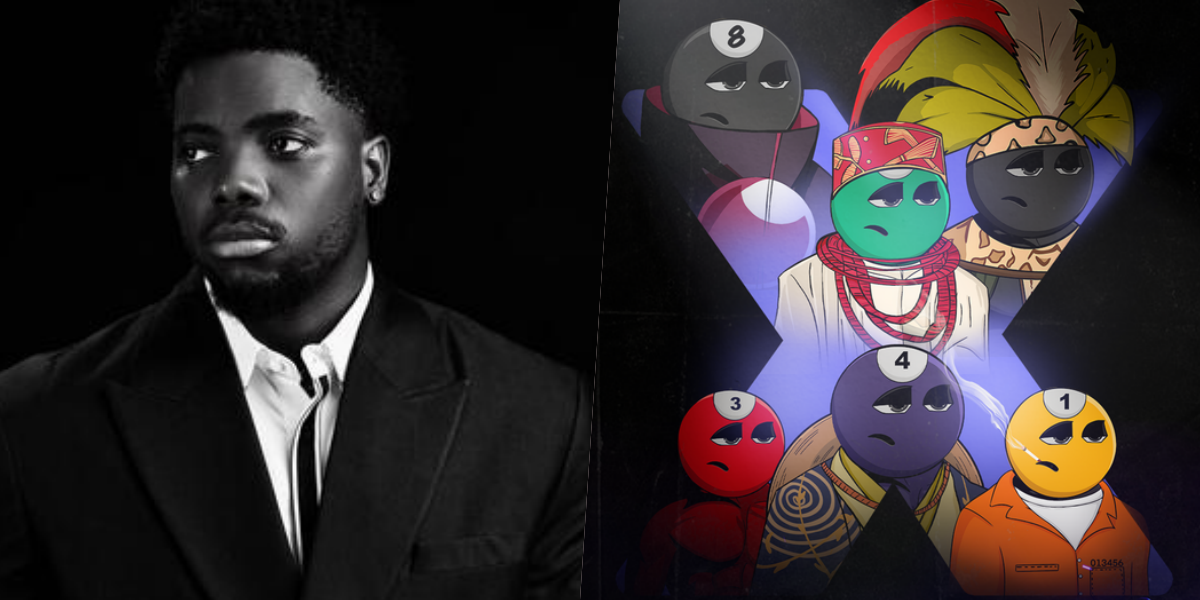
From recreating game interfaces for fun to launching a studio focused on African stories and talent, Novatrax Studio founder Gideon Uwem represents a new generation of developers helping shape the continent’s games industry.
We spoke with Uwem about his path into game design, the moment he realised culturally rooted games could resonate with local audiences, and why he founded Novatrax Studios to help build stronger infrastructure for African creators.
From design experiments to building African game IP
The 22-year-old first entered the tech sector as a graphic designer in Benin City after joining Edobit, a year-long programme supported by the Edo State government and Oxfam. The initiative introduced him to design, branding and basic software development before he moved into freelance UI and UX work.
While freelancing, Uwem became fascinated by the design behind game interfaces and began recreating menus and HUD screens using Photoshop and Figma, sharing the work online.

"Those posts caught the attention of a company in Kenya that invited me to work on agame project with a $5,000 offer," says Uwem. "That was a huge turning point for me."
He later worked across Web3 and traditional titles, including Cave World, before joining the team behind Aki and Pawpaw: Epic Run, a Nollywood-inspired mobile game developed with Blue Portal that surpassed 400,000 downloads.
"Seeing that reaction made something very clear: when we choose to tell our stories through interactive experiences, the response can be powerful," Uwem explains. "At the same time, I kept noticing that many of the teams I worked with internationally had Nigerian or African talent in them, yet our own ecosystem back home still felt underdeveloped and underrepresented."
Novatrax Studio was founded as a response to the gap he saw between the global presence of African developers and the limited development infrastructure on the continent, to create African-led IP and support local talent.
"It’s not just 'another studio' for me; it feels more like a calling," says Uwem.
Novatrax Studio structure
Uwem is also involved with games and esports platform Gamr, after he was invited to facilitate a game development training programme at Gamr Lab in Lagos, a physical hub designed to help onboard African creators into the games industry.
After the programme, a series of conversations with Gamr leadership, including COO Damilola Pedro, led to discussions about more formal collaboration. Alongside this work, Uwem continues to lead Novatrax Studios, which he describes as the creative arm of his broader mission.
"Balancing both is possible because of how Novatrax is structured," Uwem explains. "The studio isn’t dependent on me for every micro-decision. We have a core team, including co-founders, a head of operations, and leads across design, development, art, and community who can keep production and internal processes moving in my absence.
"I sit more at the level of direction, approvals, and ensuring the vision and standards are consistent, while day-to-day execution is distributed. So in practice, I treat Gamr as the platform for building pipelines and Novatrax as
the platform for building worlds. They are different expressions of the same mission."
Afrocentric pool game in development
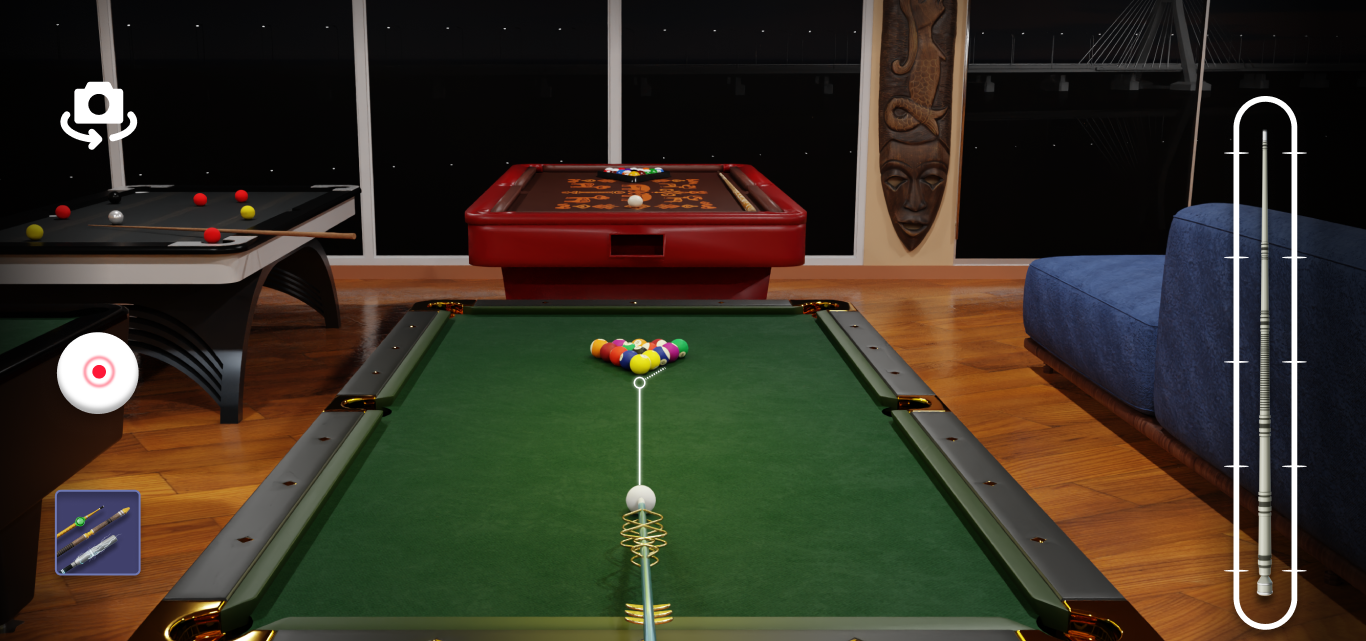
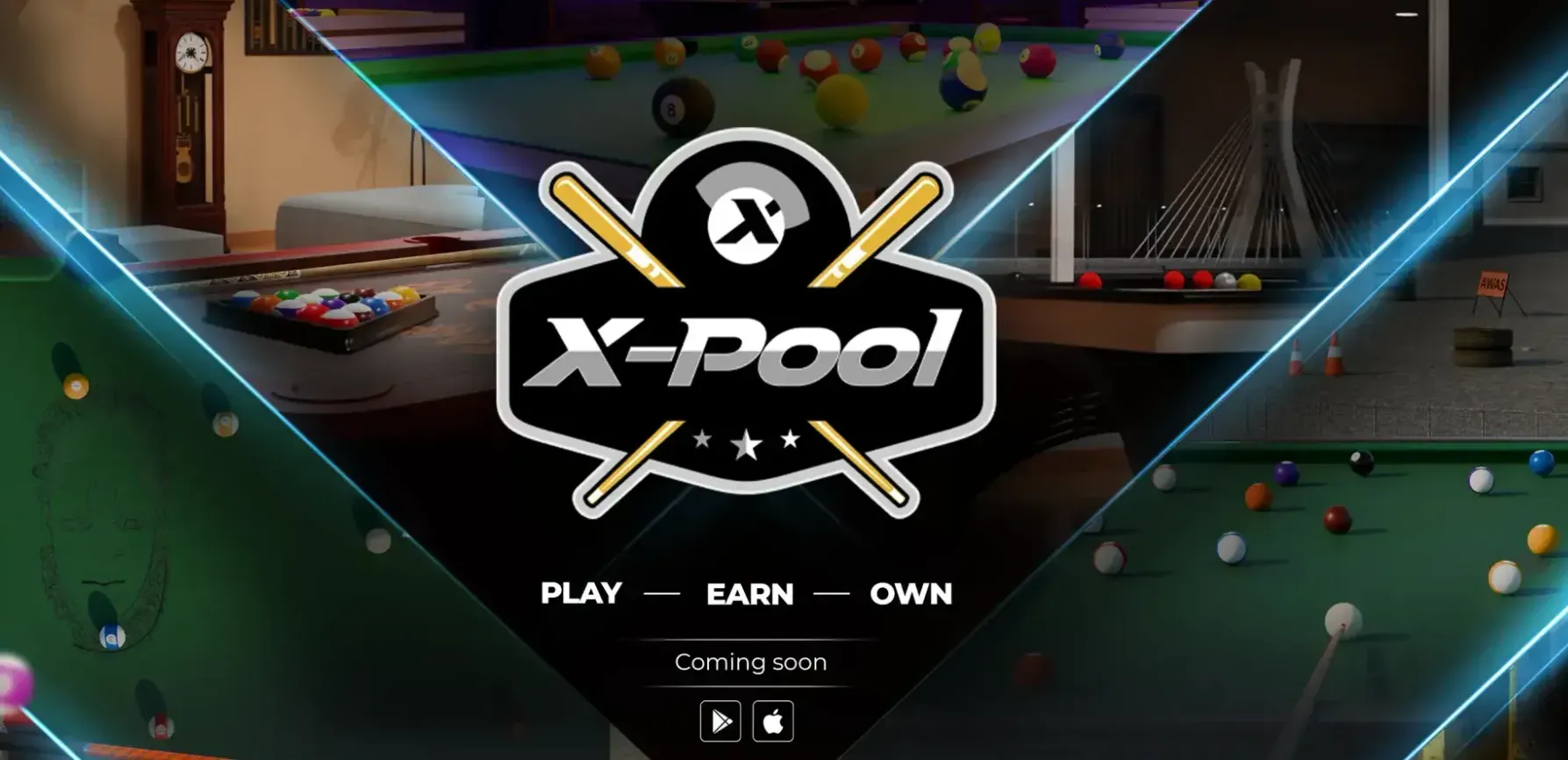
One of Novatrax Studio’s current projects is X-Pool, an Afrocentric mobile pool game designed to blend familiar gameplay with cultural elements drawn from across the continent.
Development is currently underway with a distributed team of more than 15 creatives working across Africa, Europe and North America. Uwem serves as game director and lead game UI and UX designer on the project.

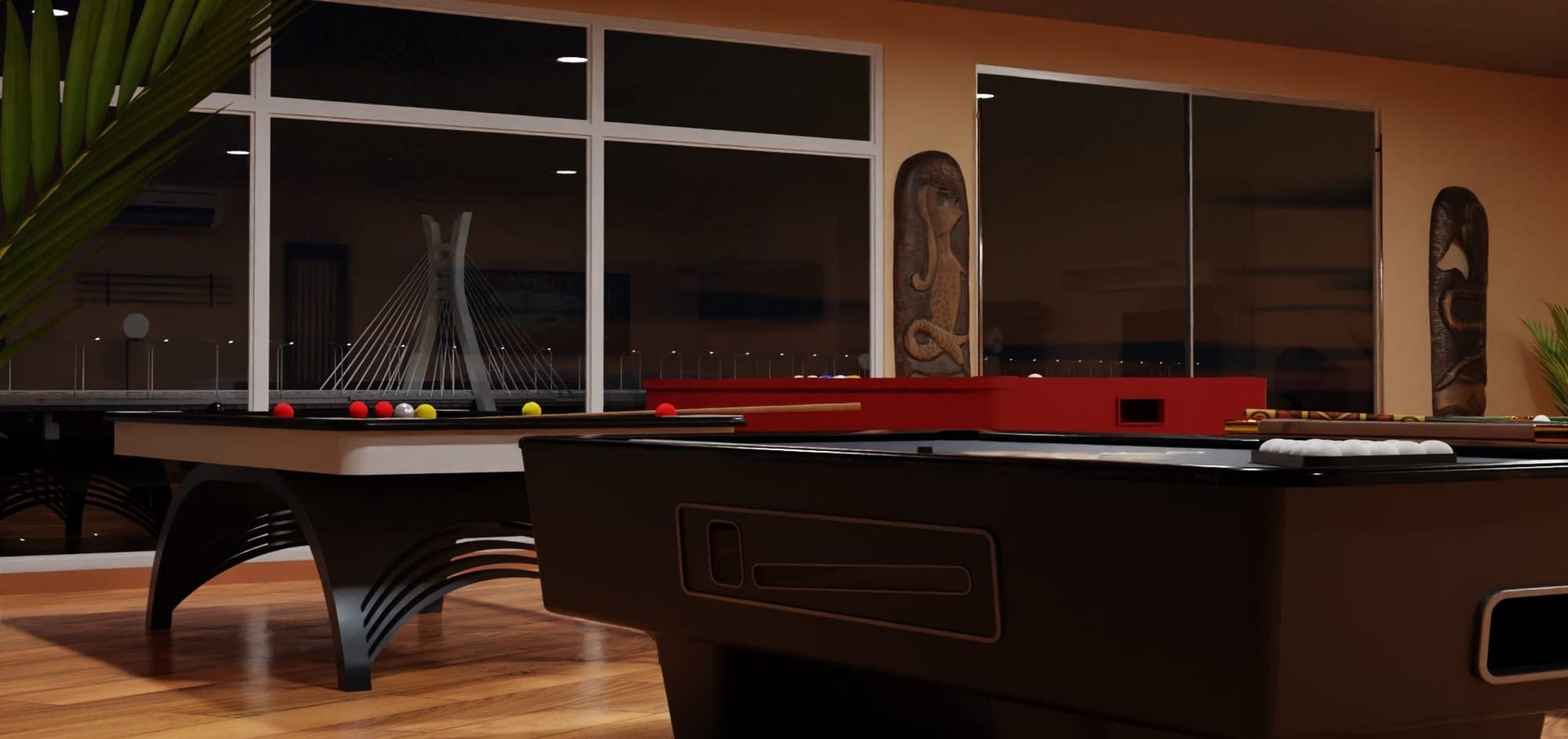
According to Uwem, the title aims to capture the social atmosphere surrounding pool culture in African cities, from neighbourhood game spots to campus lounges. From a technical perspective, X-Pool is also being developed primarily as a mobile experience with optional blockchain and AI layers.
Uwem describes the approach as “Web2.5”, where emerging technologies enhance gameplay rather than becoming the central focus. "Our focus is human-first design; the technology is there to elevate what players can do, not to turn the game into a speculative financial instrument," he explains.
Designing from an African perspective
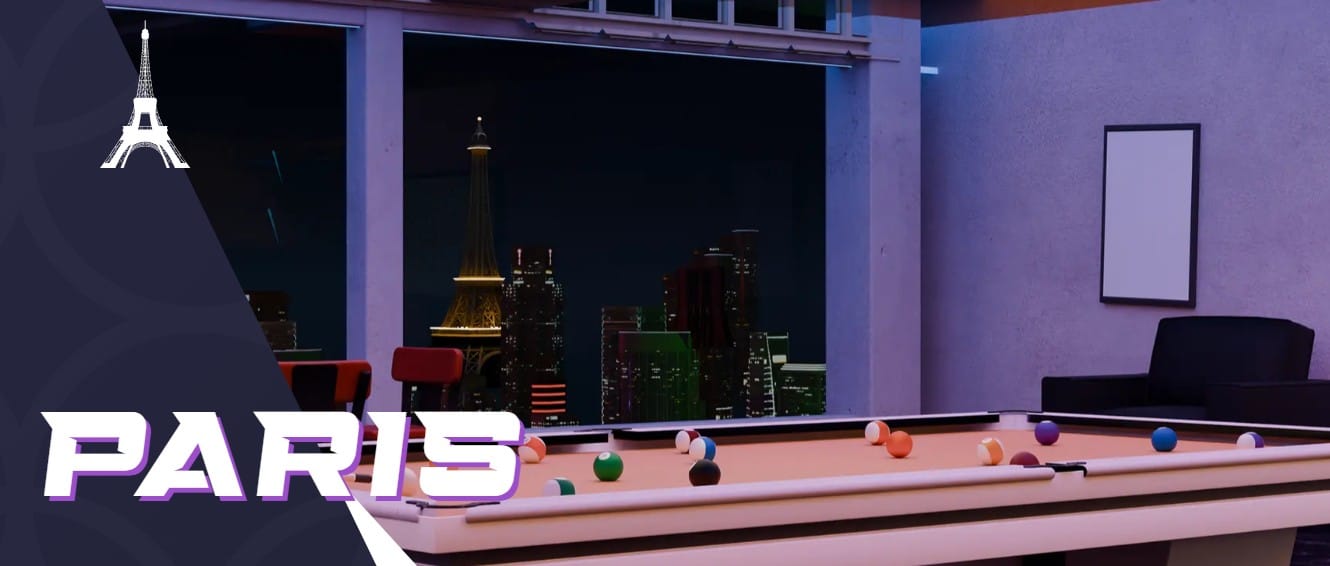
Uwem describes the phrase “Africa as the default camera angle” as both a design principle and a broader philosophy guiding the development of X-Pool.
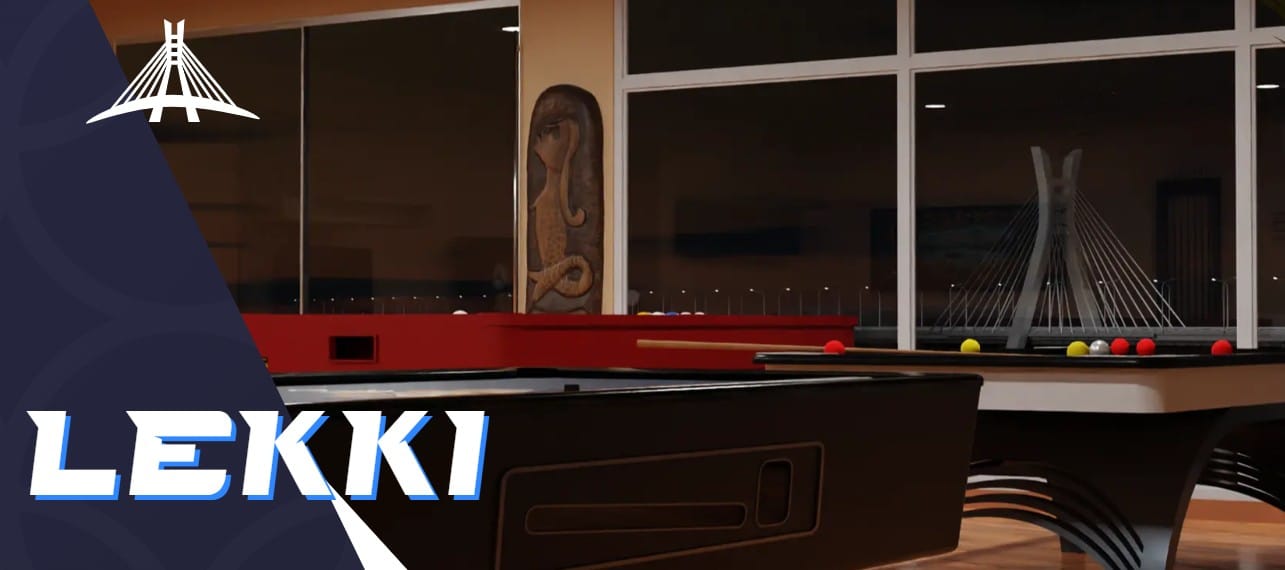
"The environments are rooted in our spaces, he explains. "The music reflects our sounds. The visual language draws from patterns, textures, and colour palettes familiar to many parts of the continent."
Despite that cultural focus, X-Pool is being designed for a global audience. Uwem explains that the studio separates the core gameplay loop from its cultural presentation to ensure accessibility for players worldwide.
"While we might use local slang or humour in favour text, key actions, currencies, and navigation are explained in clear, accessible terms," says Uwem. "The goal is that a player in Lagos feels seen, while a player in São Paulo or Seoul feels curious and welcomed rather than lost."
A cautious approach to blockchain
While X-Pool includes blockchain elements, Uwem says the studio is intentionally avoiding the play-to-earn model that defined many early Web3 gaming experiments.
According to him, much of the scepticism surrounding blockchain games stems from projects that prioritised financial incentives over gameplay, creating systems where the primary motivation for players was extraction rather than entertainment.
Novatrax’s approach instead treats blockchain as a supporting layer rather than the foundation of the experience. Uwem says the core goal is to ensure that X-Pool functions first and foremost as a compelling game, even for players who never interact with any blockchain features.
"So we’re not 'doing Web3' because it’s trendy; we’re selectively using blockchain
where it genuinely improves how players own, keep, and interact with what they
love," Uwem explains.
AI as a creativity tool
Uwem says Novatrax is approaching artificial intelligence as a practical tool for expanding creativity rather than a "marketing buzzword".
Within X-Pool, the first phase of AI-assisted user-generated content will focus on limited but meaningful areas of customisation. One example is personalised cue sticks that reflect a player’s identity, achievements or play style.
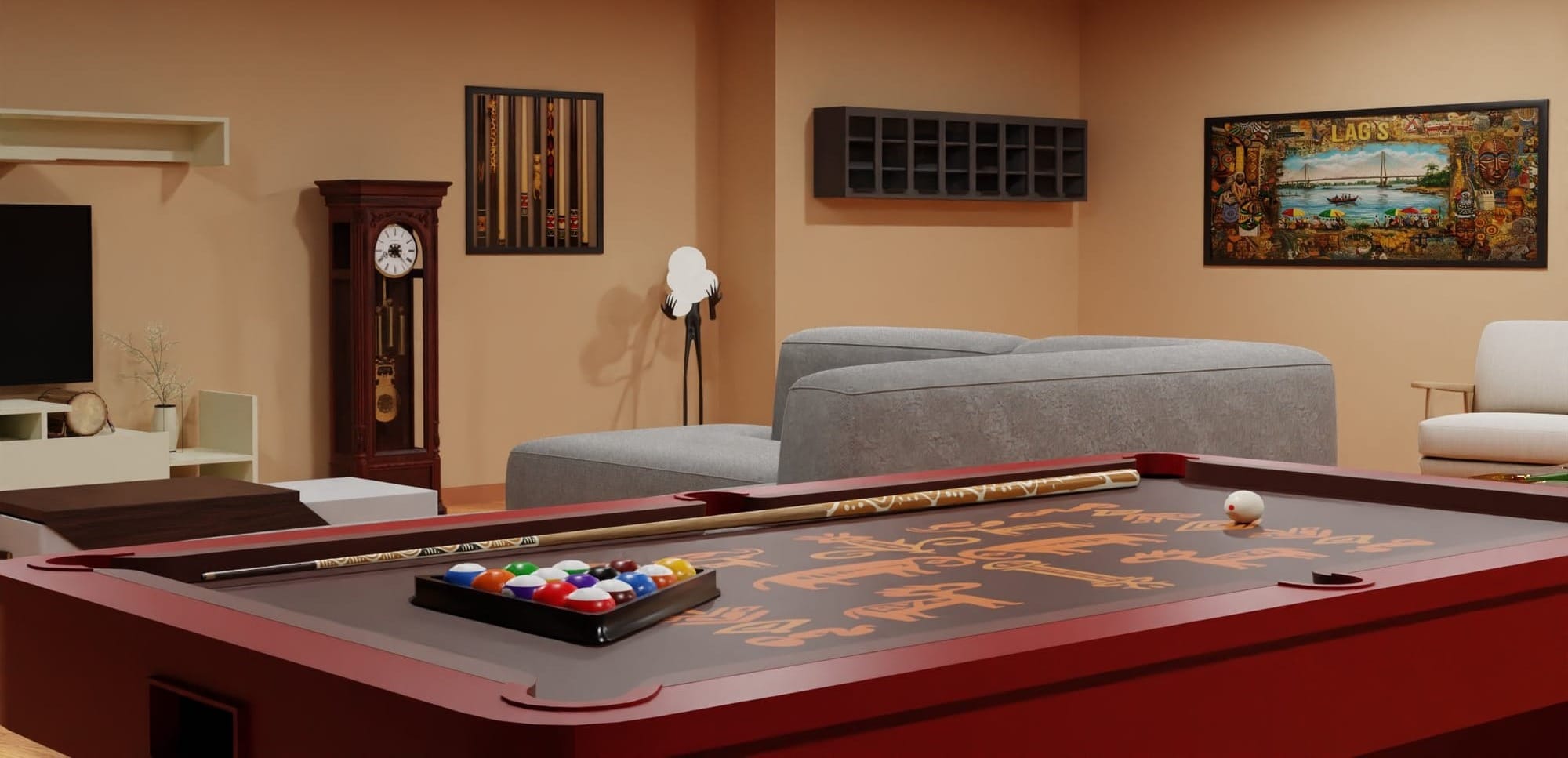
The studio is also exploring AI-driven variations of visual motifs that fit within the game’s established art direction, allowing players to create distinctive items while maintaining a cohesive visual identity across the game.
"Long-term, X-Pool is a flagship project for us," Uwem explains. "Many of the tools, pipelines, and guardrails we validate here could be scaled into future titles or even external programs that empower African creators to build and ship faster.
"So AI is not just about X-Pool features; it’s also about building a modern production and creator infrastructure underneath."
A layered approach to distribution
Uwem acknowledges that discoverability remains one of the biggest challenges for African studios targeting global audiences, particularly on crowded mobile app stores.
For X-Pool, Novatrax is approaching distribution through multiple channels rather than relying on a single breakthrough moment. The game is being developed with a mobile-first strategy, optimised for Android and iOS devices commonly used across African markets.
Community engagement is also expected to play a major role in early player acquisition. Through Novatrax and Uwem’s involvement with Gamr, the studio plans to tap into existing communities of players, creators and esports enthusiasts.
The team is also exploring partnerships with regional platforms, telecommunications companies and gaming communities that have an existing focus on African audiences. In some cases, this could include alternative distribution channels beyond traditional app stores.
What success would mean for Novatrax
For Uwem, the success of X-Pool would extend beyond the performance of a single game. At a studio level, he says strong results would validate Novatrax’s core idea that African cultural identity can be combined with emerging technologies while still delivering a globally competitive mobile title.
A successful launch would also give the team a practical framework for future projects. Uwem says the tools, pipelines and market insights developed during X-Pool’s production could be reused and expanded across future titles.
"Beyond the studio, a successful X-Pool would send a signal to the broader
ecosystem: African teams can build high-quality, globally relevant games on our
own terms," says Uwem. "It’s less about saying 'we’ve caught up,' and more about proving that we can sit at the table, shaping what comes next."
Although Novatrax has several additional concepts in development, Uwem says the team’s immediate focus remains firmly on X-Pool. The studio is targeting a beta launch for X-Pool in Q2 2026.
Get deeper intelligence on the studios shaping MENA gaming with IsaKaba Intelligence, which gives you full studio profiles, funding history, strategic positioning, and direct access to our introduction network. Join the waitlist.