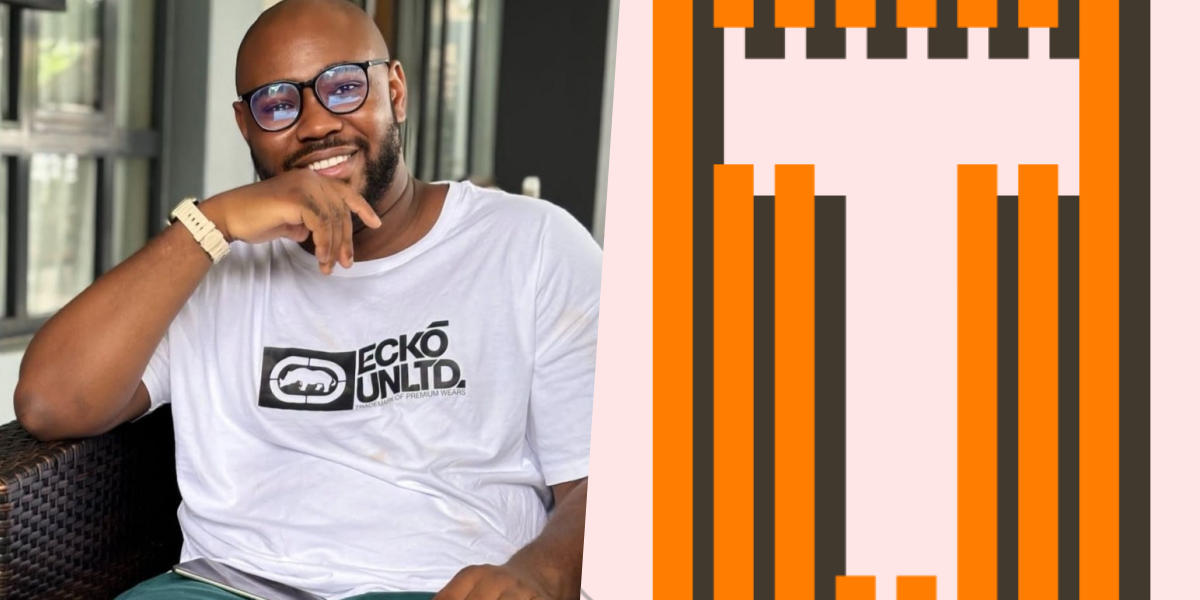
Sthenia Games founder Gerry Enoma on the making of Trivy
"Our focus was on creating an experience that was easy to start, easy to understand, and easy to return to.”

Most trivia games treat you like a robot, feed you endless text questions, bombard you with currencies, and stretch every session into academic semesters.
When Nigerian game studio Sthenia Games set out to build something different, they started with a simpler question: what if we just respected the player?
The result is a multi-format trivia game now nominated for an IMGA award, which, of course, is not because it tried to compete with the giants, but because it deliberately chose not to. We caught up with Gerry Enoma to discuss the making of Trivy.
Understanding the Market: The mobile trivia space is crowded. Most competitors rely on text-only questions, aggressive monetisation, and competitive loops designed to keep you glued to the screen. Enoma looked at this model and saw a gap.
Players in emerging markets across Africa, the diaspora, and beyond wanted something lighter. Something that worked on their devices, respected their data, and fit into the cracks of their day.
"We weren't trying to build the biggest trivia game," said Enoma. "Our focus was on creating an experience that was easy to start, easy to understand, and easy to return to.”
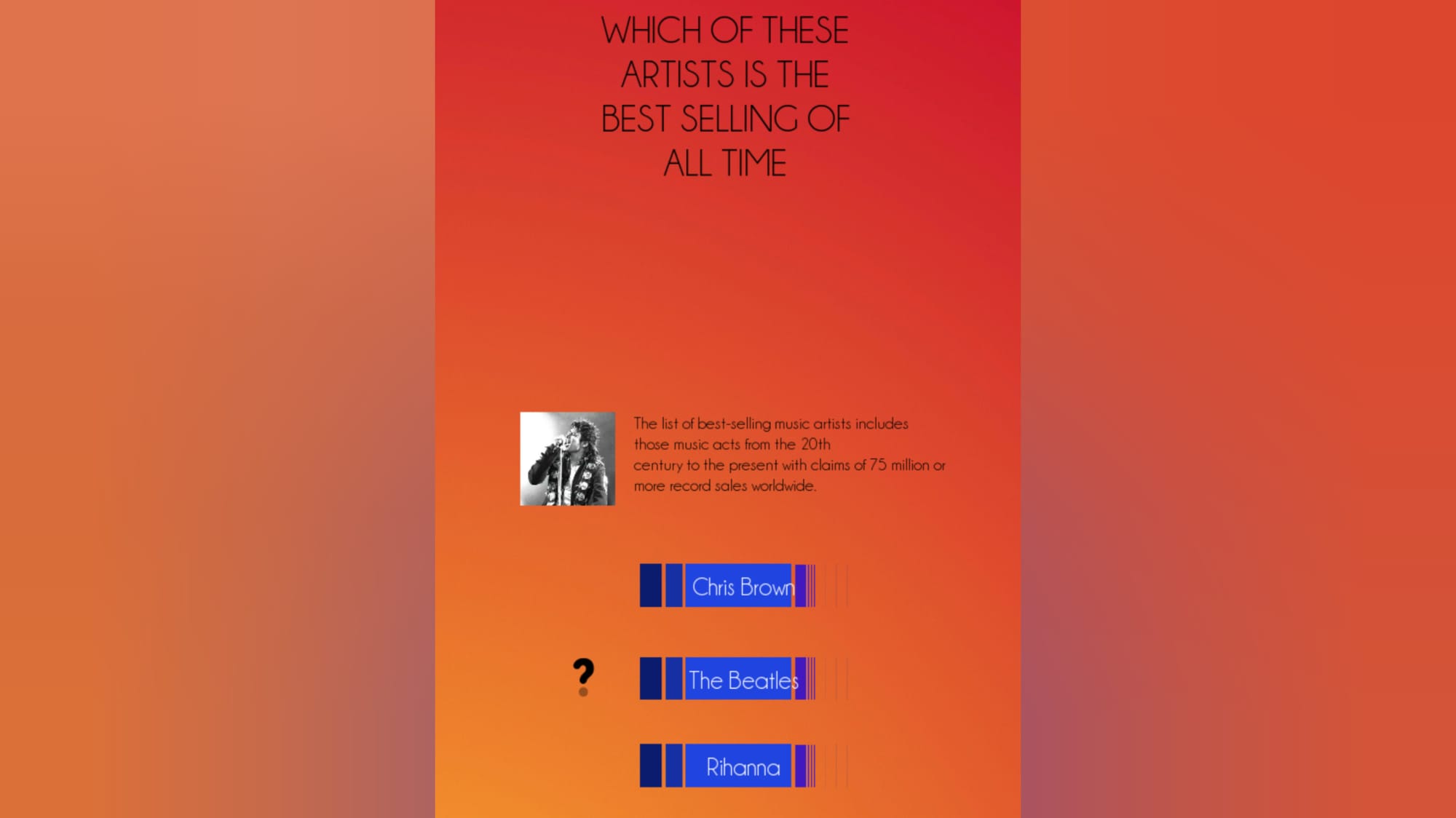
The Core Design Decision: Enoma's boldest decision was moving beyond text. Trivy supports text, image, audio, and short video questions, all within the same simple tap-to-answer loop. The logic was straightforward: variety keeps things fresh, but only if the core interaction stays simple. Players don't need to learn new controls for audio rounds or figure out where the video button hides.
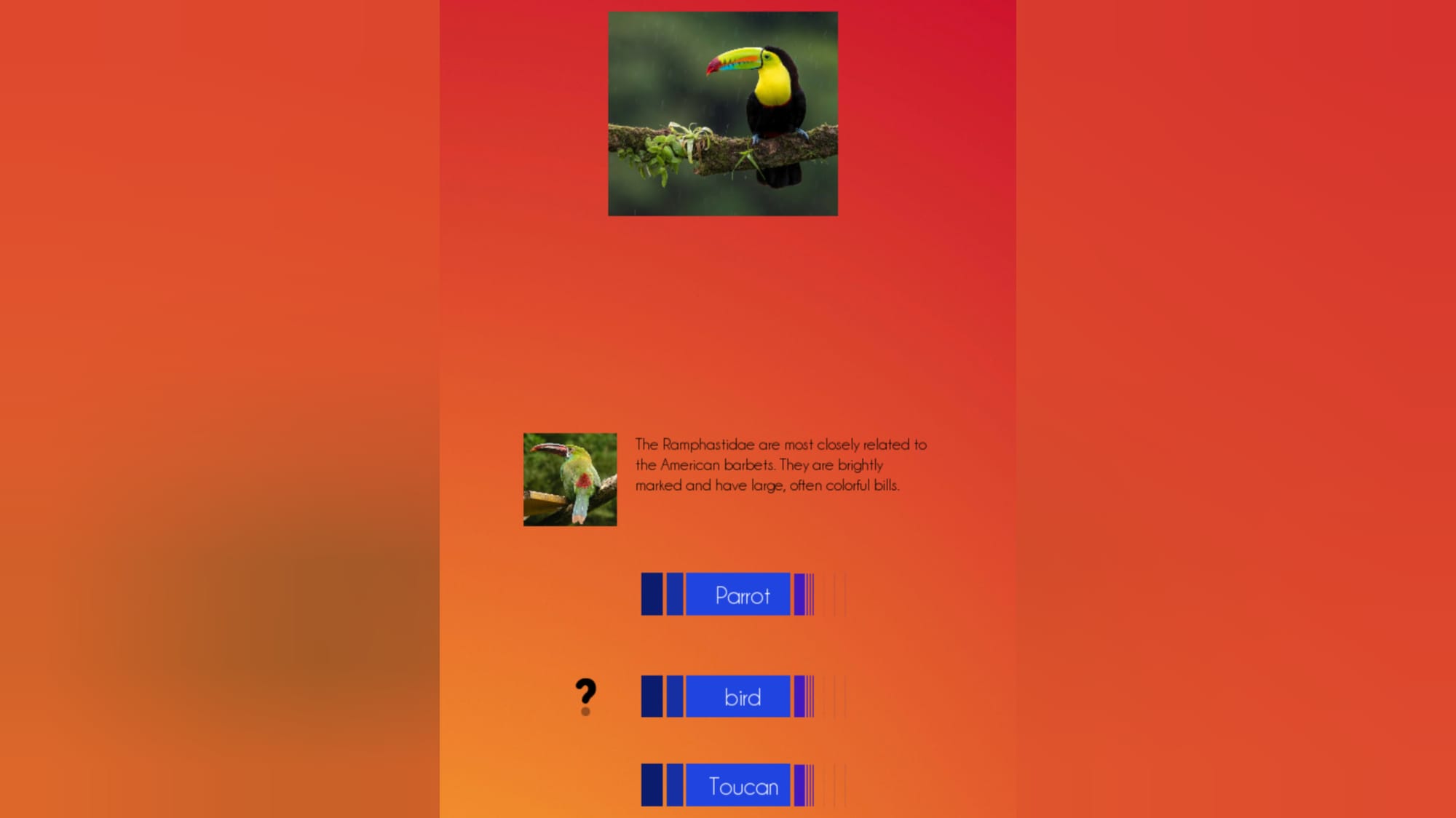
Every format works the same way. You see a question, you tap an answer, and you move on. This consistency became the secret ingredient for success. Casual players not only stuck around, but many returned multiple times a day for short sessions lasting 30 to 90 seconds that fit between meetings, commutes, and chores.
"This consistency lowered friction and made the game accessible to casual players," Gerry added.
Building for Phones and Real Data: The TRIVY team built with real constraints in mind, as follows:
- Older Android devices needed to run it without lag
- Limited data plans meant the game had to be lightweight
- Short attention windows demanded sessions that respected your time, not steal it.
"This combination of clarity, performance, and respect for player time helped Trivy reach 1,000+ organic downloads on the Google Play Store with consistent daily sessions and strong repeat engagement, Enoma explained.
Why IMGA Noticed
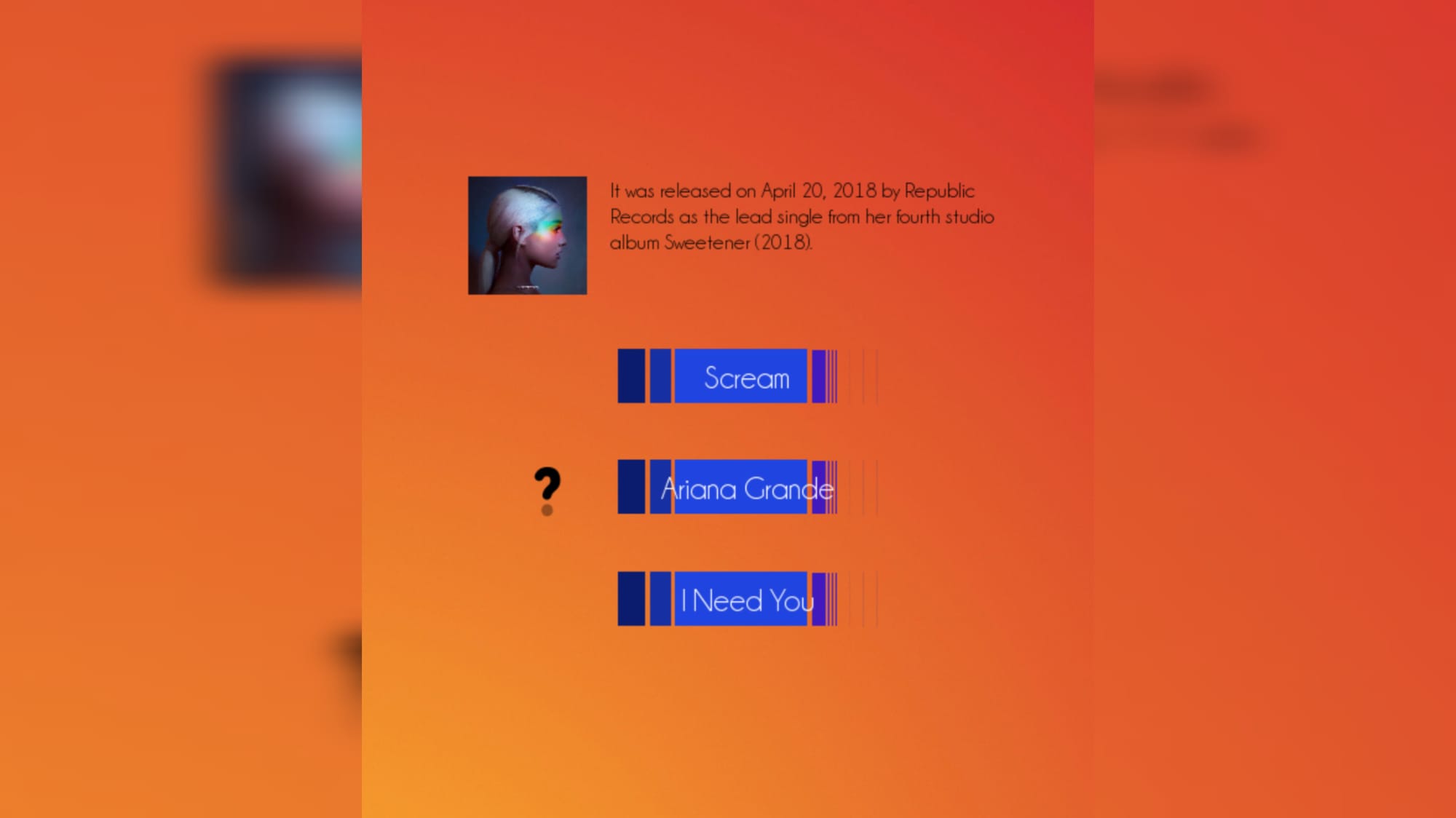
The International Mobile Gaming Awards nomination came because the game did one thing well: it made a familiar genre feel thoughtful again. Judges saw a game that:
- Let players engage with trivia in four different formats without ever feeling lost
- Prioritised intuitive design over features
- Worked on the devices that actual people own
- Respected players enough to let them finish a session and walk away
"When you focus on doing the work right, recognition naturally follows. In this case, the IMGA nomination highlighted that thoughtful, user-centred design matters more than scale, flashy features, or budget," said Enoma.
Trivy is currently available on the Huawei AppGallery, with the team watching how players interact with each format. Audio questions perform differently from video. Image rounds keep some players coming back, while others prefer text. The data is already shaping what comes next. But the philosophy won't change.