"Africa has the potential to become a major exporter of games, similar to France or Poland"
CodeBox Games founder Prosper Moses on self-funding Hell Bleeds and building African-inspired stories for global players

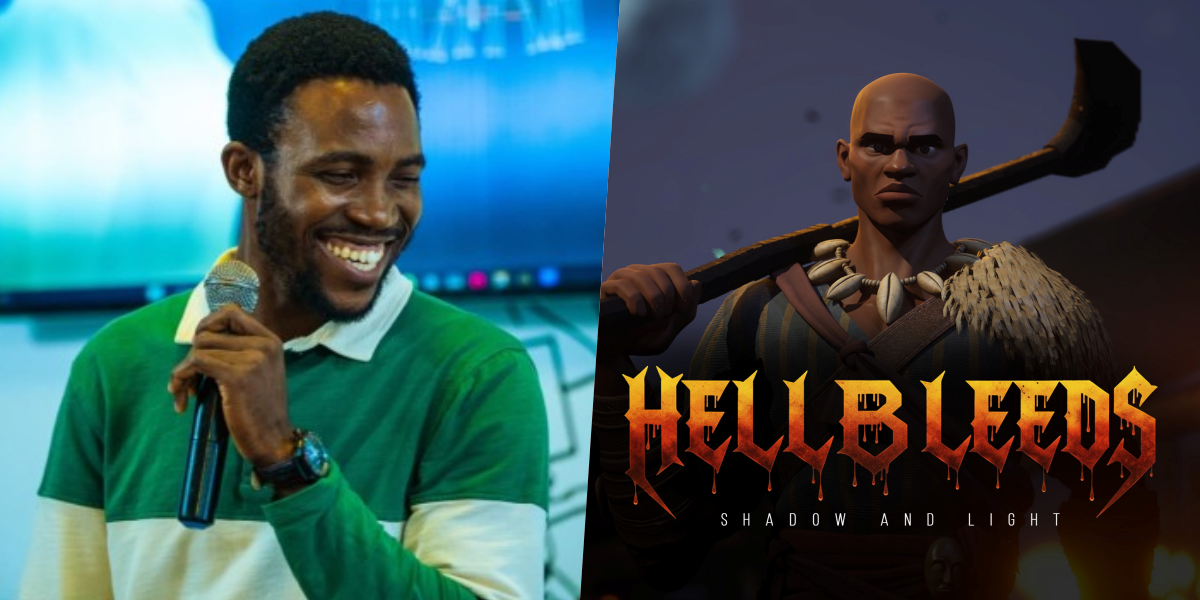
From teaching himself 3D animation to self-funding an indie game inspired by African mythology, CodeBox Games founder Prosper Moses represents a growing wave of African creators turning cultural storytelling into interactive experiences for global players.
We spoke with Moses about his transition from animation into game development, the decision to build Hell Bleeds using personal resources, and the realities of creating a PC title from Africa while navigating funding and distribution challenges.
IsaKaba: Can you tell us a little bit about yourself? How did you initially get into the games industry?
Prosper Moses: I’m a self-taught 3D artist and game developer with over a decade of experience in animation. My passion for creativity and storytelling naturally drew me to 3D animation, as it allowed me to bring ideas and worlds to life visually. My journey began in my final year of school, and in late 2016, I moved to Lagos to fully pursue my dream of becoming a 3D artist.
Over the years, I’ve had the opportunity to work with animation studios from around the world, gaining experience across different styles and pipelines. In 2024, I took on my first role as head of production and creative director at a children’s animation production studio, leading a team of over 18 artists and delivering high-quality, engaging animation.

I have also worked as Head of Animation for a studio in the US, further broadening my expertise. My entry into game development came in 2024. I’ve always loved playing games, and part of my animation workflow required learning Unreal Engine. It was then that I realized there were very few games representing African culture, games that show our costumes, traditions, and way of life.
That gap inspired me to create Hell Bleeds, and development began at the end of 2024. For me, it’s about creating authentic African stories in interactive worlds, something I’ve always been passionate about.
Tell us a bit about CodeBox Games. How did the studio come about, and how big is the team right now?
CodeBox Games is an independent game studio I founded with a clear vision to create amazing games for a global audience. The studio came about as a natural evolution of my journey in animation. After spending years working in the animation industry on various projects and gaining valuable experience, I began to notice how underrepresented African culture is in gaming.
That realization pushed me to take a step further and build something of my own. I founded CodeBox Games to create bold, culturally authentic games that showcase African stories, traditions, and mythology on a global stage. Right now, CodeBox Games operates as a growing indie team made up of talented artists and developers.
So far, I’ve worked with over 8 artists on the project across full-time, freelance, and contract roles. We’re still a small team, but that allows us to stay flexible, creative, and deeply involved in every aspect of development.
How do you prioritise resources between developing games and your other projects, like making animated films?
Right now, game development is the priority, especially with Hell Bleeds in active development. Most of our resources are focused there. That said, my animation background supports the game, especially in storytelling and cinematics. I treat both as part of the same pipeline rather than separate projects.
Talk to us about Hell Bleeds. When did development begin, what stage is the game in right now, and what platform are you targeting for launch?
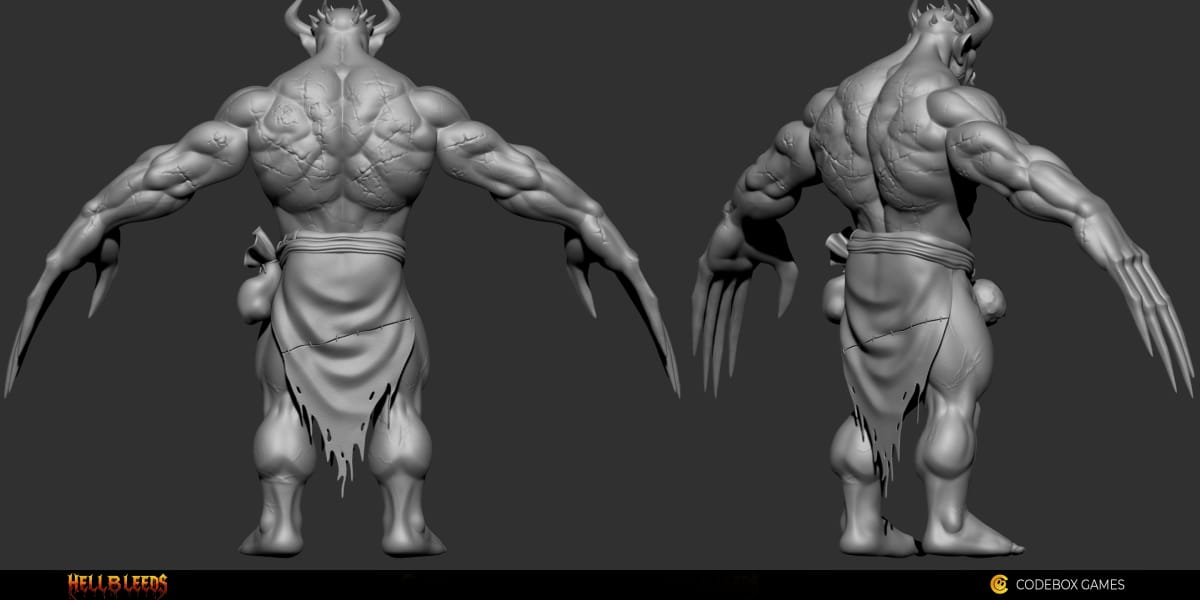
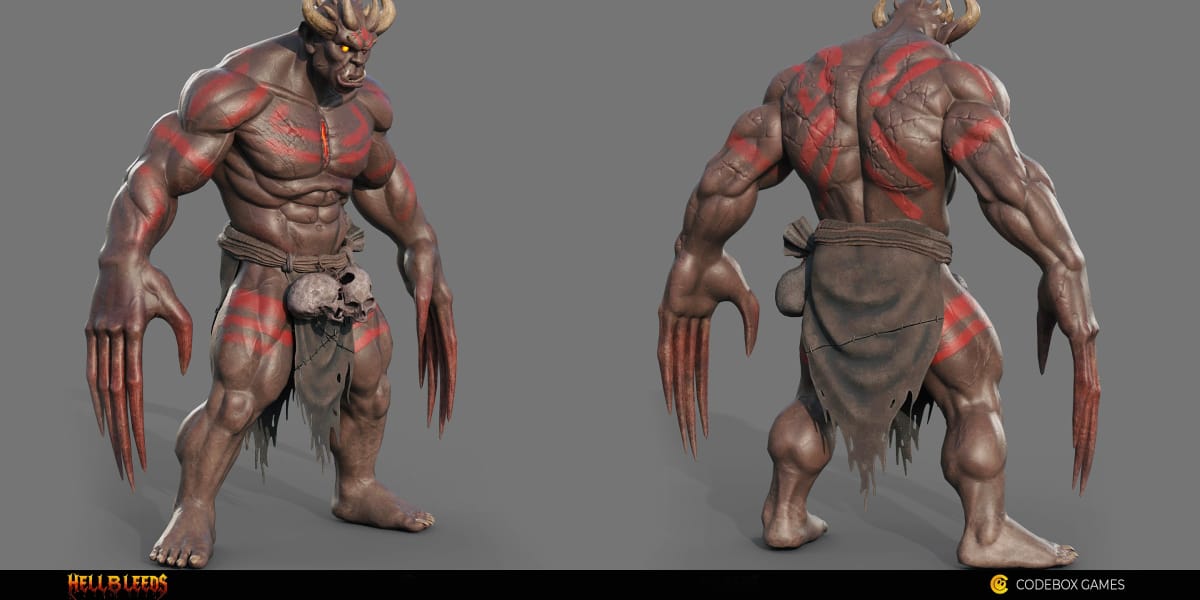
Hell Bleeds is an action-adventure indie game inspired by African culture, incorporating elements of voodoo, juju, and evil spirits. The game presents a dark and immersive world where ancient African cultural practices have been twisted into dangerous extremist worship that threatens the land.
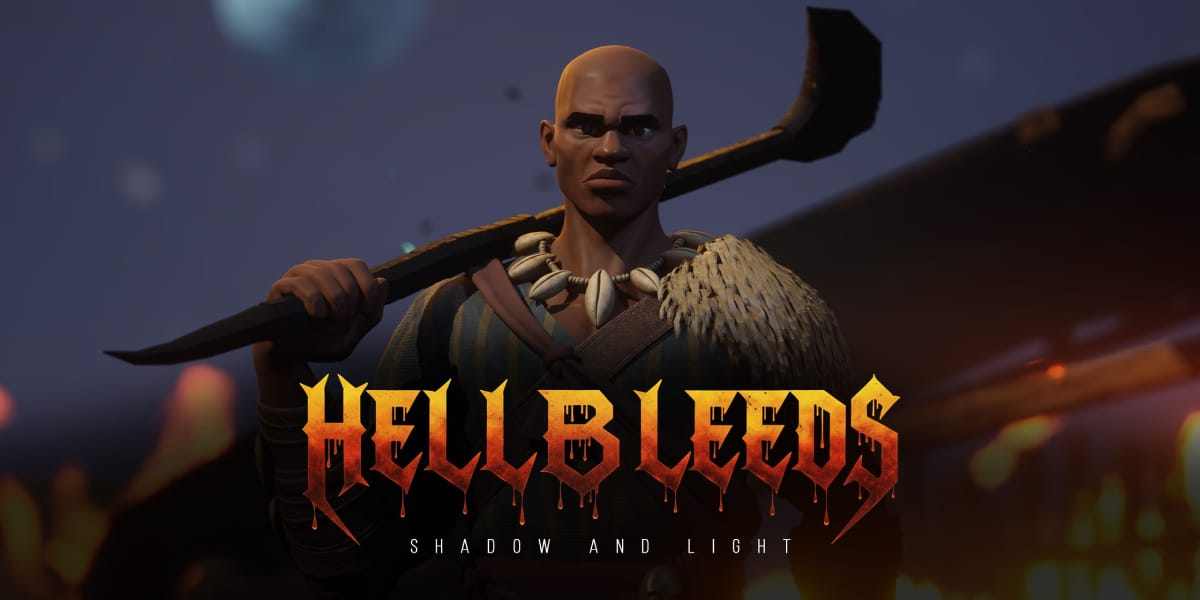
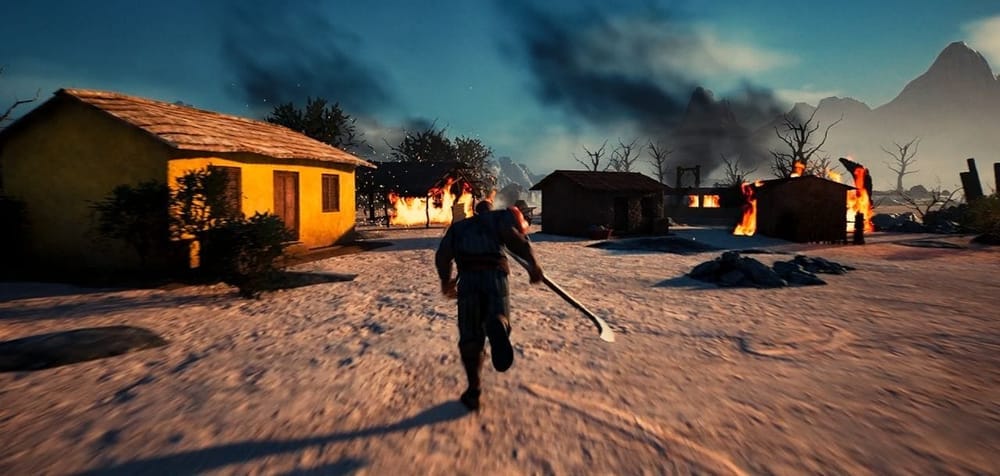
The story follows the main character, a man whose life is torn apart when extremist voodoo worshippers attack his village. During the assault, his family is killed, and his daughter is taken to be used in a ritual sacrifice. Driven by loss and determination, he sets out on a dangerous journey to rescue her. Hell Bleeds aims to deliver a unique experience that blends gameplay with a powerful narrative story journey.
We began development toward the end of 2024. Right now, the project is actively in the production stage, with key elements like character design, environments, and core gameplay mechanics coming together. We’re primarily targeting PC for launch, with plans to expand to other platforms as development progresses.
Many African studios struggle with discoverability on storefronts. Who is the primary audience for Hellbleeds, and what is your plan for distribution and player acquisition?
Hell Bleeds is for global players who enjoy dark fantasy, action-adventure experiences, and unique, culturally rich worlds. We’re especially targeting players looking for something fresh and different from the usual game settings. For distribution, we’re focusing on PC storefronts like Steam to reach a global audience.
On the player acquisition side, we’re building visibility through social media, community engagement, and regular development updates, while also exploring partnerships or working with publishers to expand our reach.
Are you designing this game for global audiences from day one, or starting locally? Also, what tools or engines are you using to build the game?
From day one, Hell Bleeds has been designed with a global audience in mind. We want players everywhere to experience authentic African stories in a dark fantasy, action-adventure world. For development, we’re using Unreal Engine 5 and Blender, which gives us the flexibility to create high-quality visuals, dynamic environments, and immersive gameplay.
In terms of support for game studios, what has been your experience navigating the funding landscape? How is development currently being funded?
Funding is one of the biggest challenges for African game studios, and it’s something that affects the industry as a whole. Every dime spent on Hell Bleeds, including team salaries, has come from my own pocket. That said, we’re exploring partnerships, grants, and publisher collaborations to help scale the project and reach a wider audience.
What do you see as the opportunities and challenges of building a game studio in your current location?
Africa offers enormous opportunities for game development. We have talented, hardworking artists and developers, and the potential to become a major exporter of games, similar to France or Poland. There’s also growing interest in culturally rich, authentic stories, which gives African studios a unique edge.
The greatest challenge, however, is funding. Limited access to financial resources makes it difficult to sustain projects and build long-term pipelines, even when the talent and creativity are present.
What is the next major milestone for Hellbleeds? And what are your plans for the rest of 2026? Are there any specific initiatives or projects we should look forward to?
The next major milestone for Hell Bleeds is to finish Act 1 before July 2027. Players can look forward to amazing story-driven gameplay footage, were will face unique African demons never seen in games before, using charms, juju, and voodoo, alongside a host of new characters.
We’ll also be sharing behind-the-scenes content, attending events to connect with the community, and giving regular development updates.
Get deeper intelligence on the studios shaping MENA gaming with IsaKaba Intelligence - full studio profiles, funding history, strategic positioning, and direct access to our introduction network. Request access.