Lagos Life takes The Sims formula and makes it Nigerian
Lagos Life takes inspiration from The Sims while raising new questions around online safety as its player base grows

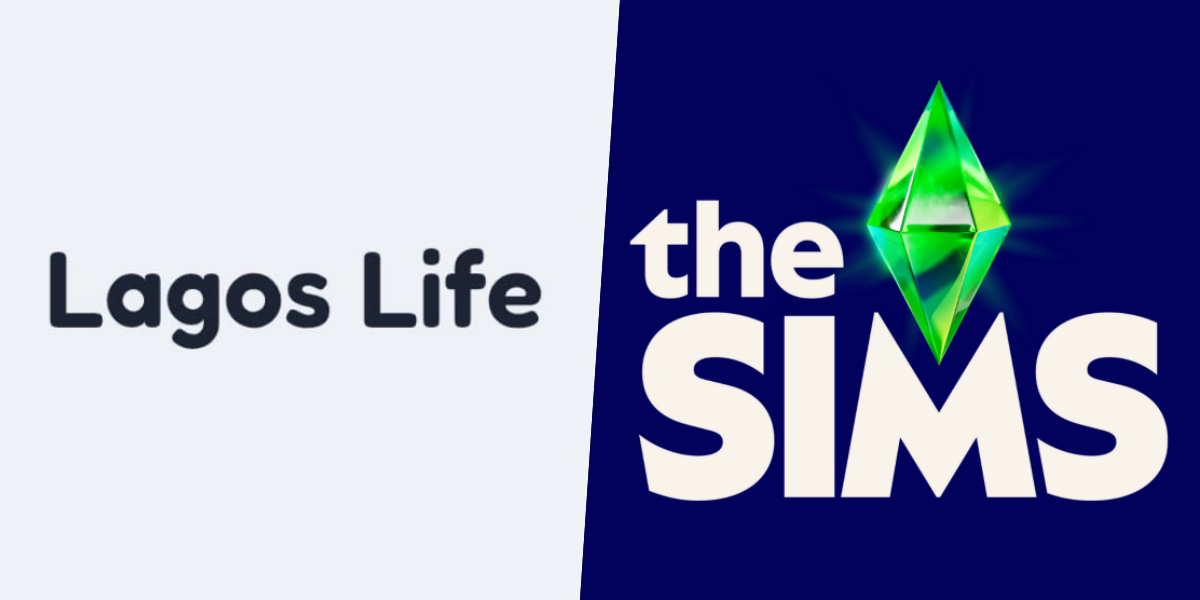
Electronic Arts' iconic franchise The Sims has spent more than 20 years letting players create people, build homes, find jobs, manage money and control almost every part of their virtual lives.
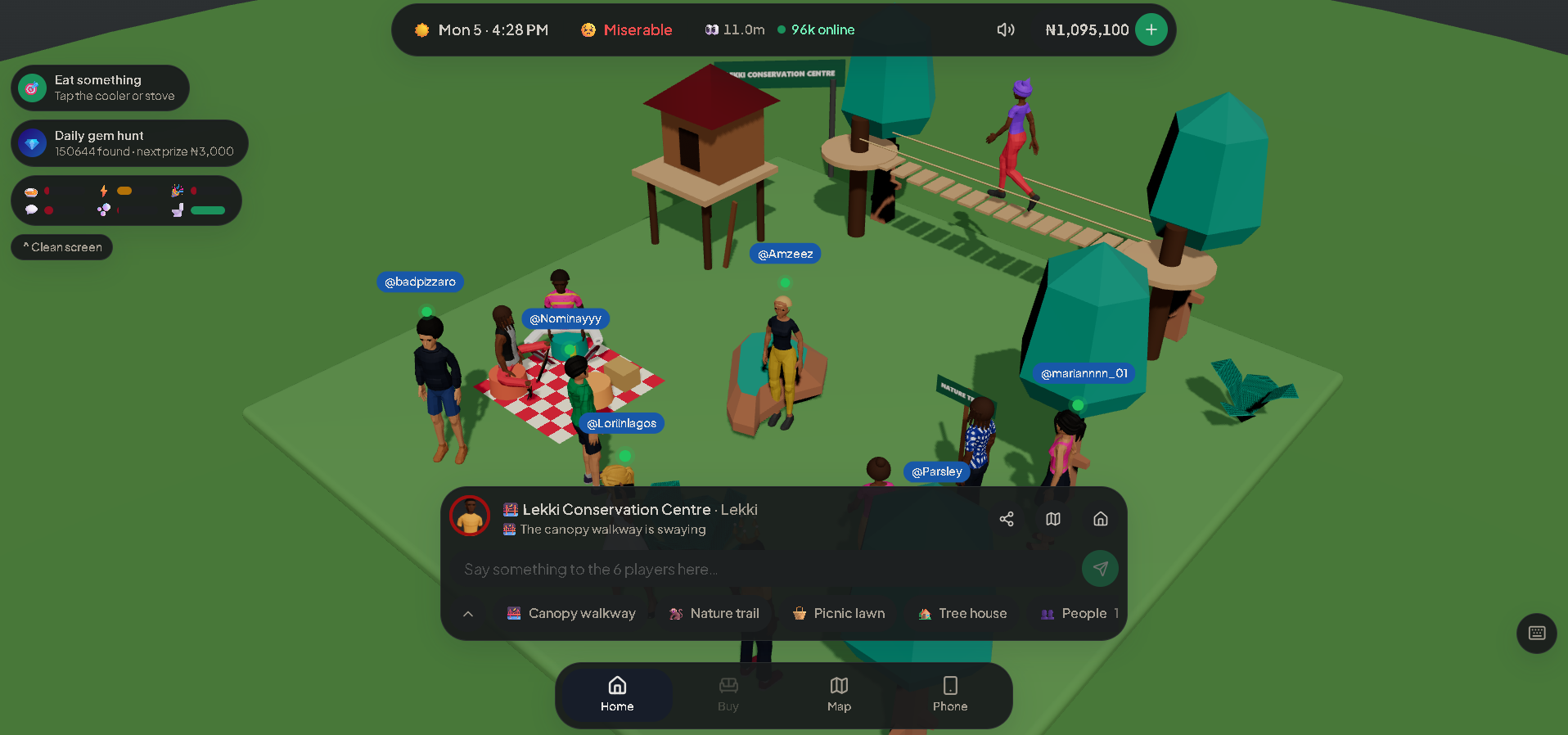
Lagos Life starts with many of the same ideas. Players create characters, find work, earn money, manage their needs, explore the city and build a life for themselves. The big difference is the world around them.
Instead of a fictional neighbourhood, Lagos Life puts players inside a version of Lagos. Instead of simply managing a Sim's needs, players have to deal with things that feel much closer to everyday Nigerian life, from rent and transport to electricity and the cost of going out.
Lagos Life was inspired by The Sims 3, according to its creator Shalom Rayhamen. The idea was to take the life simulation she grew up playing and imagine what it would look like in a world inspired by her own experiences.
Now, after amassing nearly 3 million players, Lagos Life has become one of the biggest browser game stories to come out of Nigeria. But how different is it from The Sims?
The basic idea is very similar
If you have played The Sims, you will understand Lagos Life very quickly. Both games are built around creating a character and deciding how that character spends their time.
In The Sims 4, for instance, players can create characters, choose their personalities and aspirations, build homes, find careers, form relationships and explore different neighbourhoods.
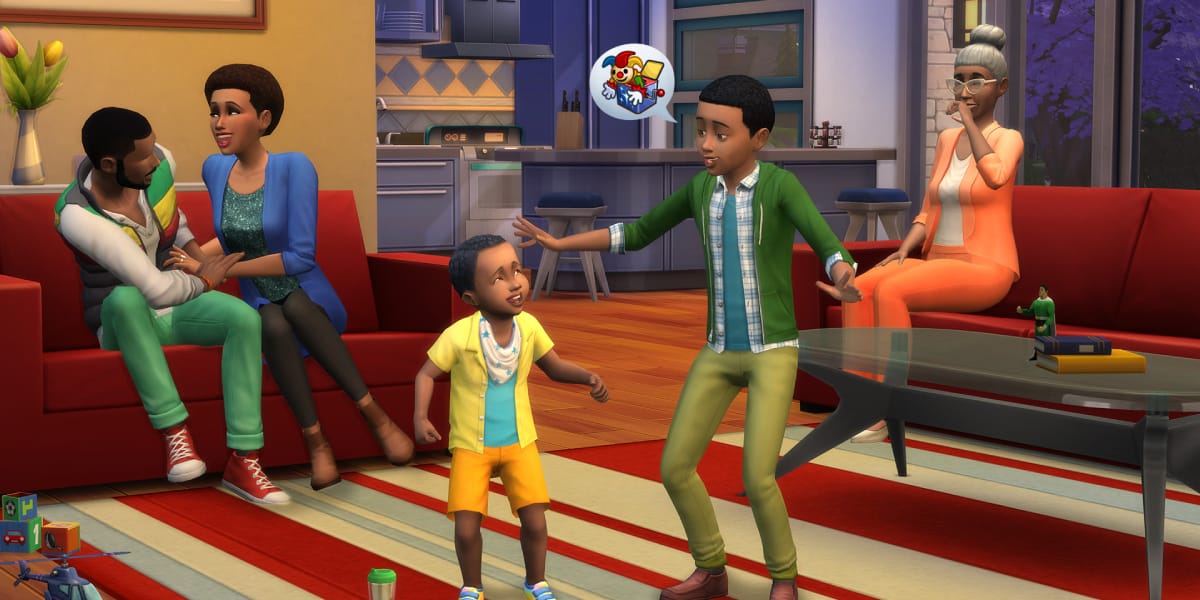
Lagos Life takes a similar starting point. Players can create characters, find jobs, earn virtual money, rent and furnish homes, travel around the city and interact with other players.
There are also familiar needs to manage. Your character needs food, energy, fun, social interaction, hygiene and other basic things. Lagos Life was, after all, inspired by The Sims 3. That is a significant influence to take from: The Sims has been around since 2000 and has now reached more than 500m players across the franchise, while The Sims 4 alone has passed 85m players worldwide.
Lagos changes the rules
The Sims gives players a large sandbox where they can create almost any kind of story. You can build a mansion, create a strange family, become a celebrity, start a career or spend hours designing a house.
Lagos Life is more focused. The city itself is the main character.
The game uses familiar Nigerian locations, transport, entertainment, jobs and everyday problems as part of its world. Players are not simply living in an imaginary city that could exist anywhere.
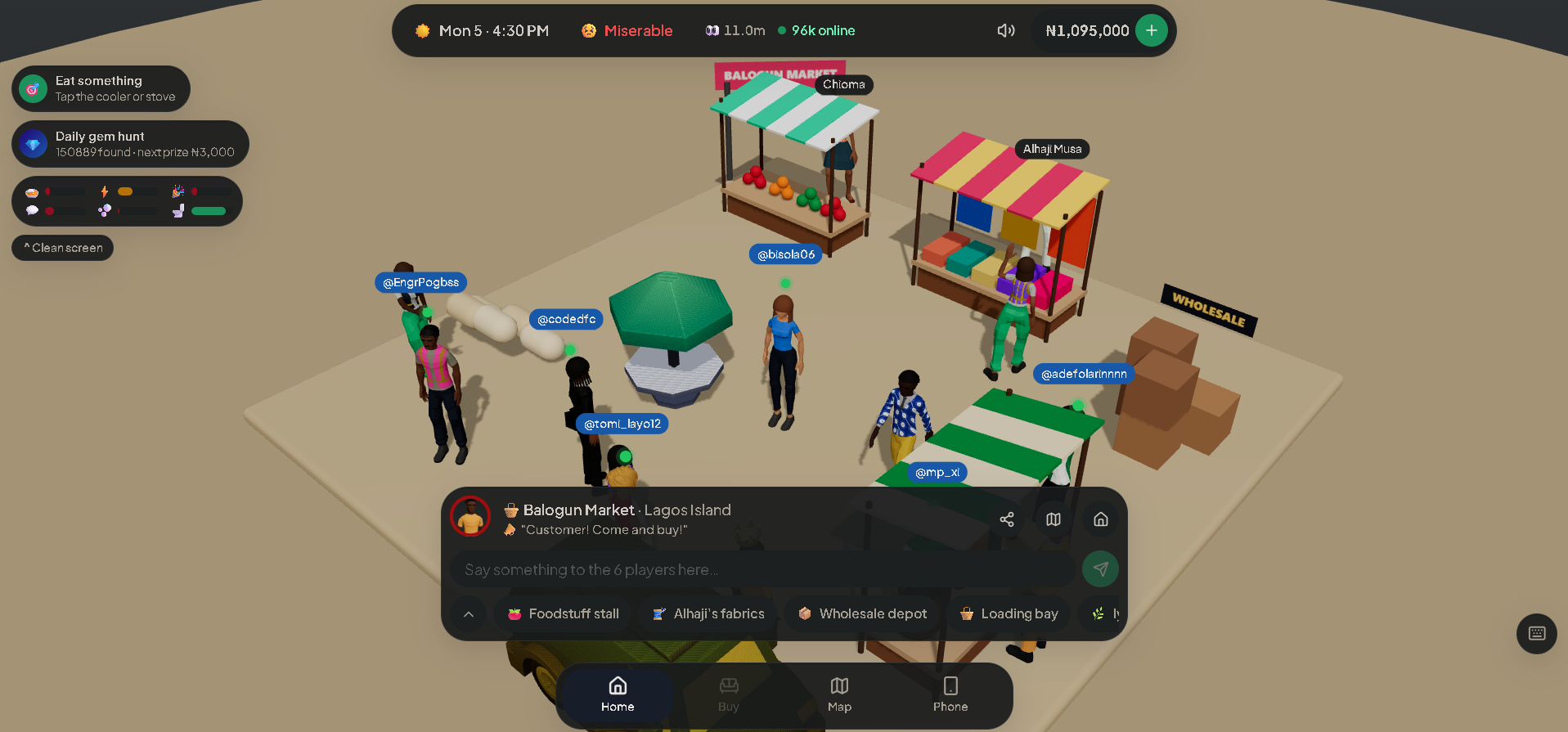
They are moving around a version of Lagos. That changes how some of the systems feel. Getting around the city is part of the experience. Money matters because players need to earn it and spend it. Rent matters. Going out costs money. Even basic decisions can become part of the challenge.
The result is a life simulator where the setting is not just decoration. It affects how you play.
The city makes the difference
This is probably the biggest reason Lagos Life has connected with Nigerian players. A Sims player might recognise the idea of finding a job and paying bills. A Nigerian player can recognise the joke behind having to worry about rent, transport or electricity.
That familiarity gives Lagos Life something The Sims cannot easily provide. The Sims can simulate everyday life. Lagos Life can simulate a version of YOUR everyday life.
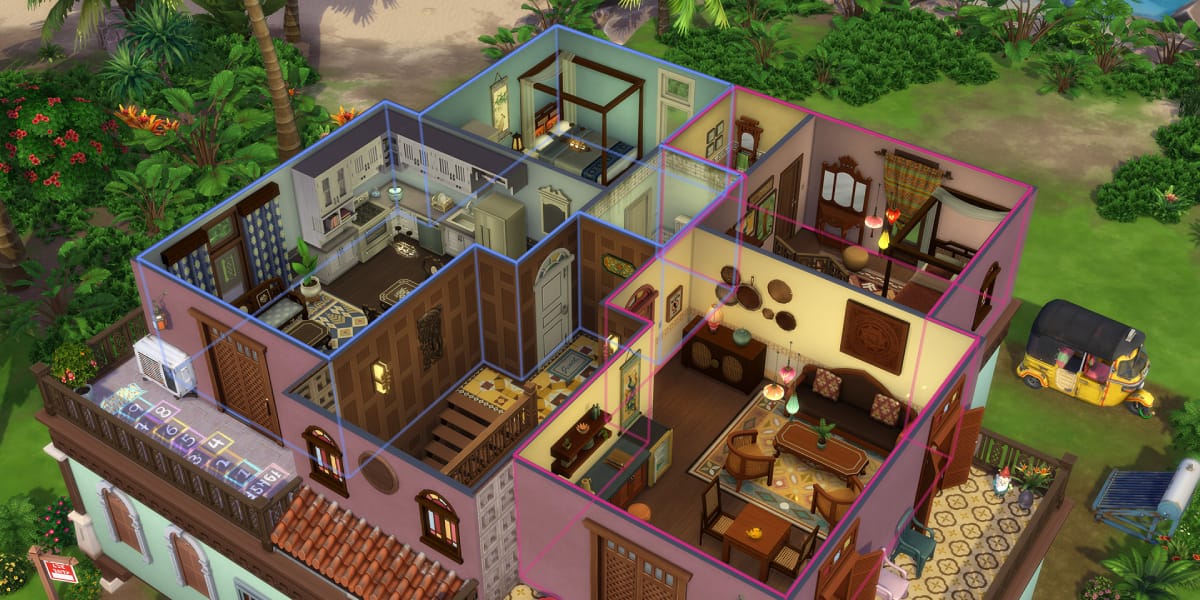
That does not make it a deeper or more immersive game, far from it. The Sims has decades of content, huge expansion packs, detailed building tools, generations of characters and a massive modding community that far outpaces what Lagos Life has achieved.
However, Lagos Life is much smaller, and its web-based, instant accessibility and smaller scope are also part of its appeal. The Sims, meanwhile, is available on PC, Mac, PlayStation and Xbox, but requires players to install the game and access its larger ecosystem.
Lagos Life is also more social
There is another major difference between the two games. The Sims is primarily built around controlling your own Sims and telling your own stories. One feature that's missing from the game for ages is being able to interact with other players and engage in various activities.
Lagos Life delivers on that front, and it does it well. The game is built as a shared online world. Players can meet, chat and interact with other people inside the same virtual environment.
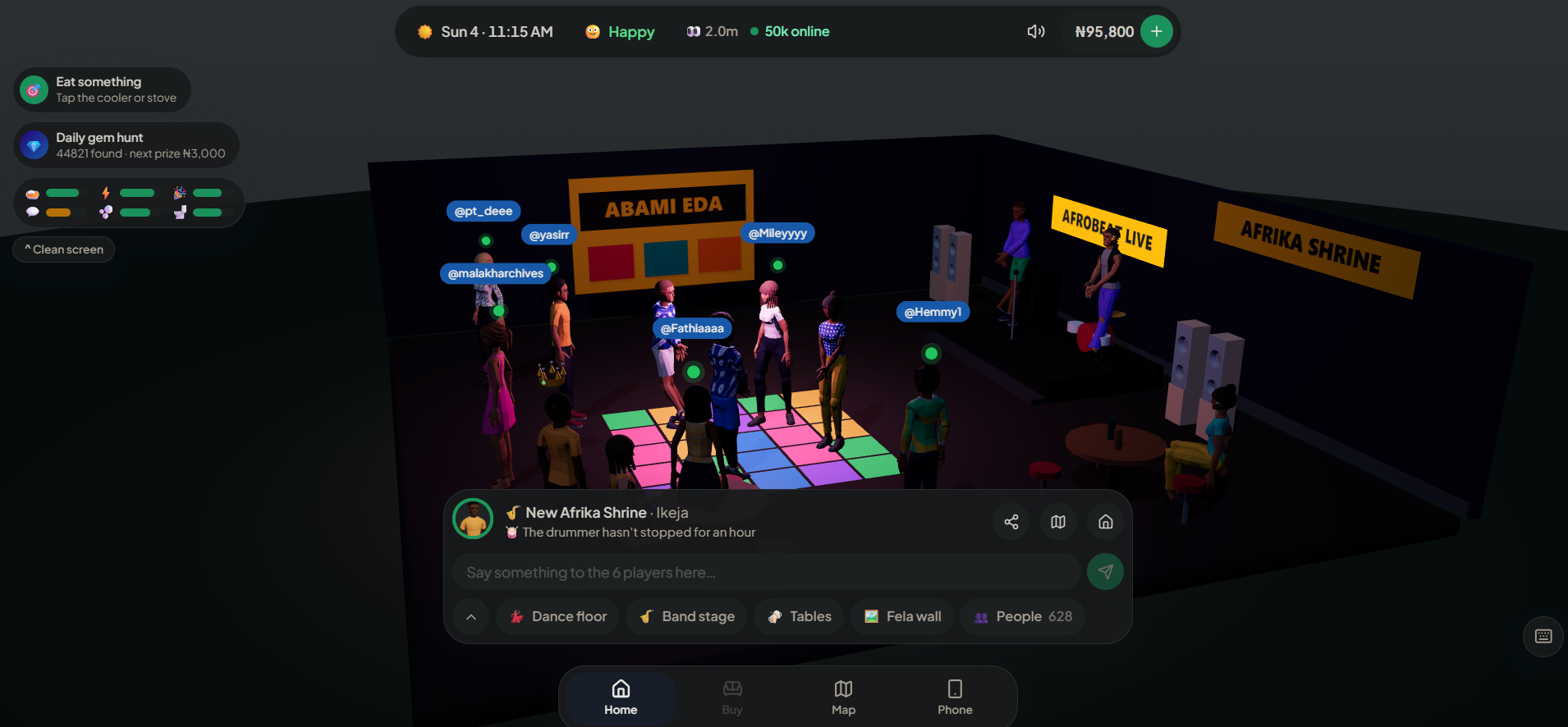
That creates situations that are difficult to reproduce in a traditional single-player life simulator. Your character might have a job, a home and virtual money, but there are also real people behind the other characters you meet.
That social element has become a major part of Lagos Life's popularity. It has also allowed the game to become a place where Nigerian internet culture can play out.
Players joke about nightlife, transport, money and the problems of living in Lagos. The game has become more than a collection of simulation systems because its players are bringing their own jokes and experiences into the world.
Lagos Life has also moved beyond Lagos
The project is no longer limited to one city. Abuja and Port Harcourt are now live in the game, giving players more Nigerian cities to explore. The developer had previously talked about allowing players to travel between different versions of Nigerian cities.

That could eventually make Lagos Life something larger than a Nigerian version of The Sims. It could become a virtual map of Nigerian cities, with each location bringing its own places, people, culture and problems into the same online world. That is where the idea gets much more interesting.
The problem with going social
There is another area where Lagos Life has to be careful as it grows, and that is communication. EA has largely kept The Sims focused on single-player life simulation, while its newer Project Rene work is exploring social multiplayer as a separate experience.
Though EA has not confirmed its reason for going the social route with Project Rene, opening a life simulator to direct communication between strangers comes with a very different set of risks.
Roblox has spent years dealing with this challenge following bans in multiple countries and now uses age checks, chat restrictions, filtering, parental controls and other systems to limit how minors communicate with other users. The platform is also facing multiple legal actions related to child safety and the handling of children's personal information.
That is something the team behind Lagos Life will need to take seriously as its player base grows. If children are playing the game and can meet strangers online, the team needs strong rules around communication, age protection, reporting, blocking and the sharing of personal information. The last thing Lagos Life needs is a regulatory problem outside the game.
So which one should you play?
If you want deep house building, generations, careers, customisation and years of content, The Sims is still the obvious choice. If you want a huge sandbox where you can spend hours creating your own stories, The Sims wins, and it's not even up for debate.
But if you want to walk around a virtual Lagos, meet other Nigerian players, earn money, find a job, deal with rent and see familiar parts of Nigerian life turned into game systems, Lagos Life offers something very different.
It may have started with The Sims. But Lagos Life's real selling point is not that it is a Nigerian version of The Sims. It is that it asks what a life simulator looks like when the life being simulated is ours.
You can play Lagos Life here. The Sims is available on Google Play and Steam.