Africa and MENA's path to triple-A runs through cultural identity, not away from it
Inside the African and MENA studios building toward triple-A through cultural identity rather than global taste.

There is a version of this argument that gets made constantly in the African and MENA games industry, usually in panels, usually by well-meaning people, and usually without the commercial logic to back it up.
The argument goes: our stories are rich, our history is deep, and the world needs to hear them. That is true. But it has rarely been paired with a hard-nosed answer to the question that follows - how do you actually build a business around it?
Two recent conversations have pushed me toward a cleaner answer than I have seen before.
Deluxe Creation Studios founder Shola Edu told PocketGamer.biz that sustainable monetisation in Africa requires building games good enough that players outside the region want to play them. His point was blunt: African ARPU (Average revenue per user) cannot support a viable studio, which means global reach is not optional.
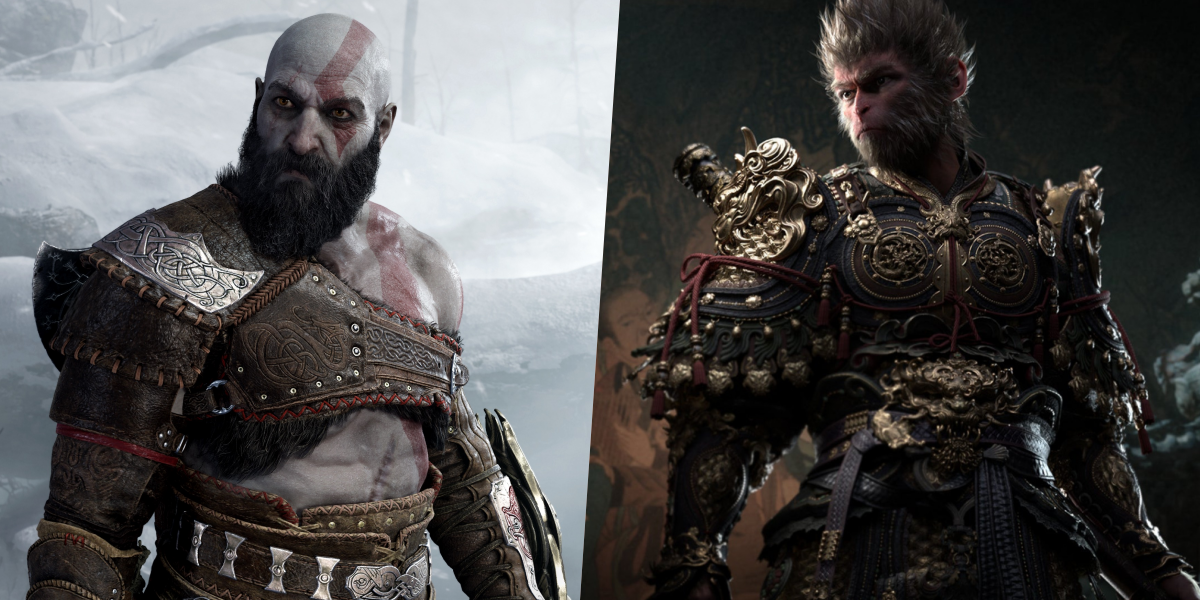
But he also made a more interesting observation - that cultural identity does not shrink your audience, it sharpens it. He pointed to Black Myth: Wukong and God of War, both rooted in specific cultural mythologies, both global hits.
The MENA version of this argument already exists
Savvy Games Group CEO Brian Ward made a near-identical point about the Middle East last month. He described centuries of regional history sitting largely untouched in games - stories of conflict, folklore, and civilization that global audiences have never encountered through the medium.
He pointed to China and Korea as the model: developers there translated local history and mythology into entertainment that the rest of the world consumed without needing to understand the cultural context first. I learned more about The Monkey King from playing Black Myth: Wukong than I ever did watching any movie or animation about the character.
Ward was making a strategic observation about opportunity. Shola was making a commercial argument about survival. But they are describing the same thing from different ends.
But Isa, who's actually building toward triple-A in MENA?
No African or Middle Eastern studio has shipped an ambitious or polished triple-A title. That raises a more useful question: which studios in either region are actually trying? A few are.
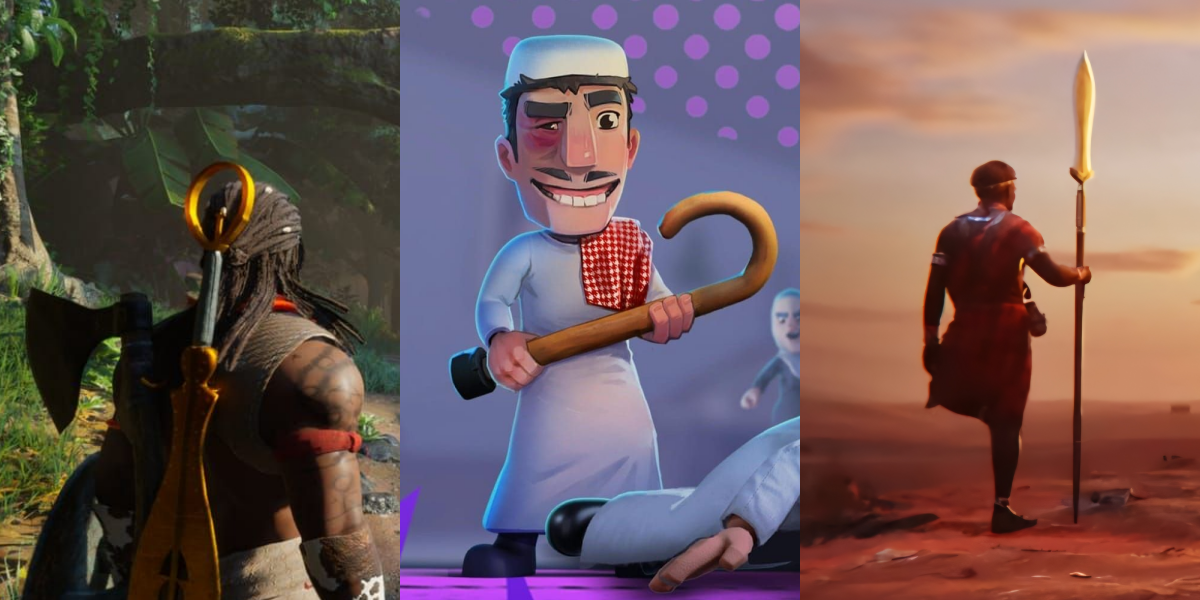
For Africa specifically, teams like Logic Dev, Kunta Content, Afrime Studios, Dimensions 11 and many others in our Studios Directory are building ambitious original IP at the largest scale their resources currently allow, and those are the teams worth watching as the regional infrastructure matures.
Middle East studios aren't far behind, and a few are operating at a different scale entirely. Steer Studios, backed by Savvy Games Group, could be building toward triple-A after launching a console division. Smaller MENA studios like Khosouf Studio, Classy Games, and Starvania are pursuing similar ambitions at the resource level their stage allows, as covered in my key MENA Trends feature.
Even so, the studios that will build durable businesses from Africa and MENA are not the ones chasing global taste. They are the ones with the conviction to build something genuinely local and the discipline to execute it at a level that demands engagement. It requires time, funding, distribution infrastructure, and creative confidence that most studios in both regions are still building toward.
Black Myth: Wukong did not succeed despite being deeply Chinese. It succeeded because of it. The question for the Middle East and Africa is which studio gets there first.
Get deeper intelligence on the studios shaping MENA gaming with IsaKaba+, including full studio profiles, funding history, strategic positioning, and direct access to our introduction network. Get access.