Gamescom’s XR Conversations: Beyond the headset and Africa’s opportunity
Wai Network founder Wendi Ndaki shares her Gamescom 2026 experience with a focus on XR's potential in Africa

I am the kind of person who avoids watching movie trailers.
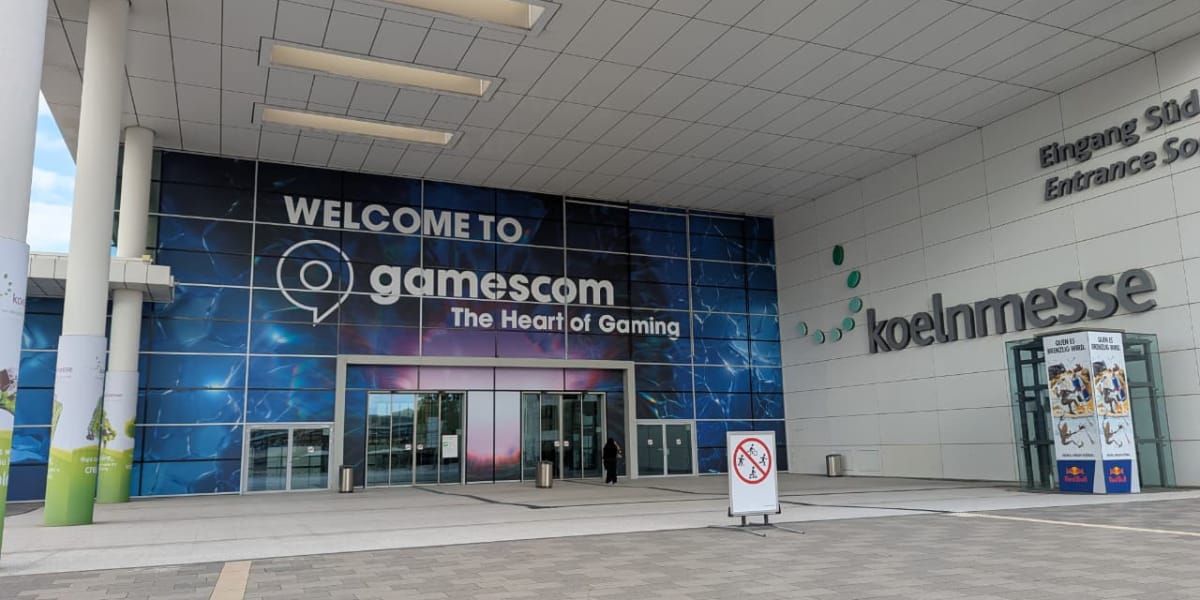
Unless, of course, it's just for a few seconds to catch the vibe, and if there’s an ocean, lake, or pool scene, I’m usually almost sold. Even without watching the full “trailer”, I already had a picture in my head of what Gamescom would look and feel like.
But I am telling you: I did not expect what I actually found.
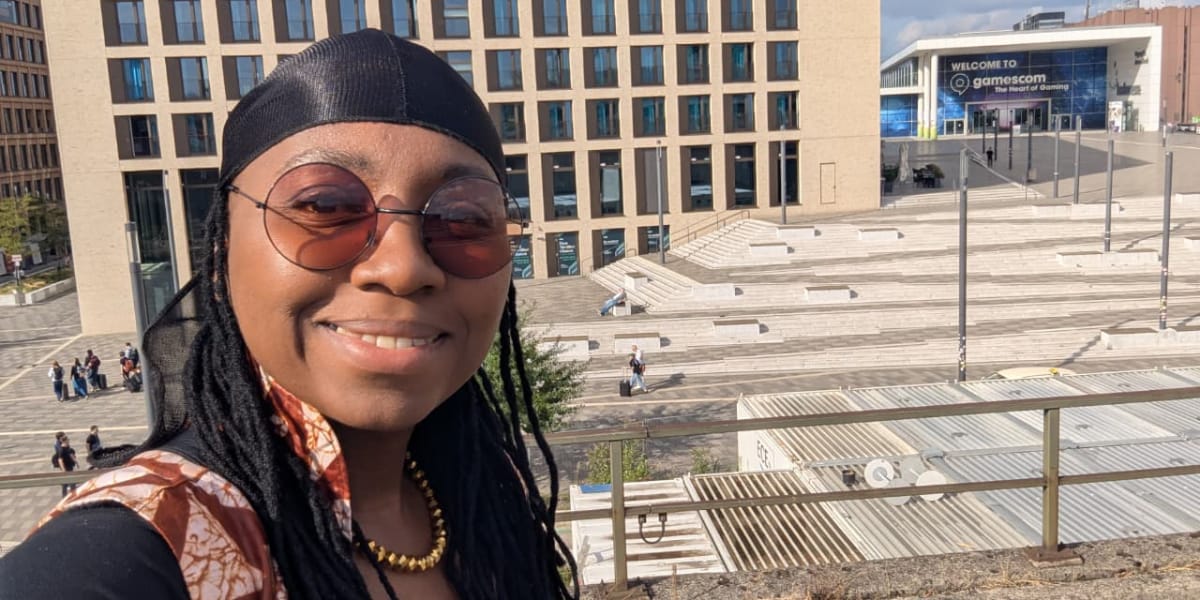
The halls are enormous. So enormous that my friends and I got lost multiple times and our feet hurt after hitting an average of 15,000 steps daily.
Computer screens flashed from every direction. Characters fought, raced, danced, and exploded across displays. Music spilled from booths into crowded walkways, while developers, publishers, investors, media, and players moved from one conversation to the next.
I was focused on stories about African games.
I wasn't actively hunting for extended reality (XR), at least, not at first.
Towards the last days of my Gamescom experience, as my initial deliverables wrapped up and I had more room to explore, I deliberately turned my attention toward extended reality.
And once I started looking, I realized something surprising: XR had actually been quietly sitting underneath many of the conversations I was already having.
It was appearing in unexpected places, like in a game where a dead robot could be physically recreated through 3D printing, in interactive technology being used to explain green hydrogen, or in virtual reality (VR) being explored for therapy and training, just to mention a few.
XR wasn't dominating the main stage at Gamescom. It was doing something much more interesting. It was revealing what interactive technology can actually do beyond entertainment.
At the same time, I had another lens with me.
Through my company, WAI Network’s partnership with SwiftXR, a Nigerian-based company working at the intersection of immersive technology, commerce, and digital product experiences, I was already primed to think about XR beyond the headset.
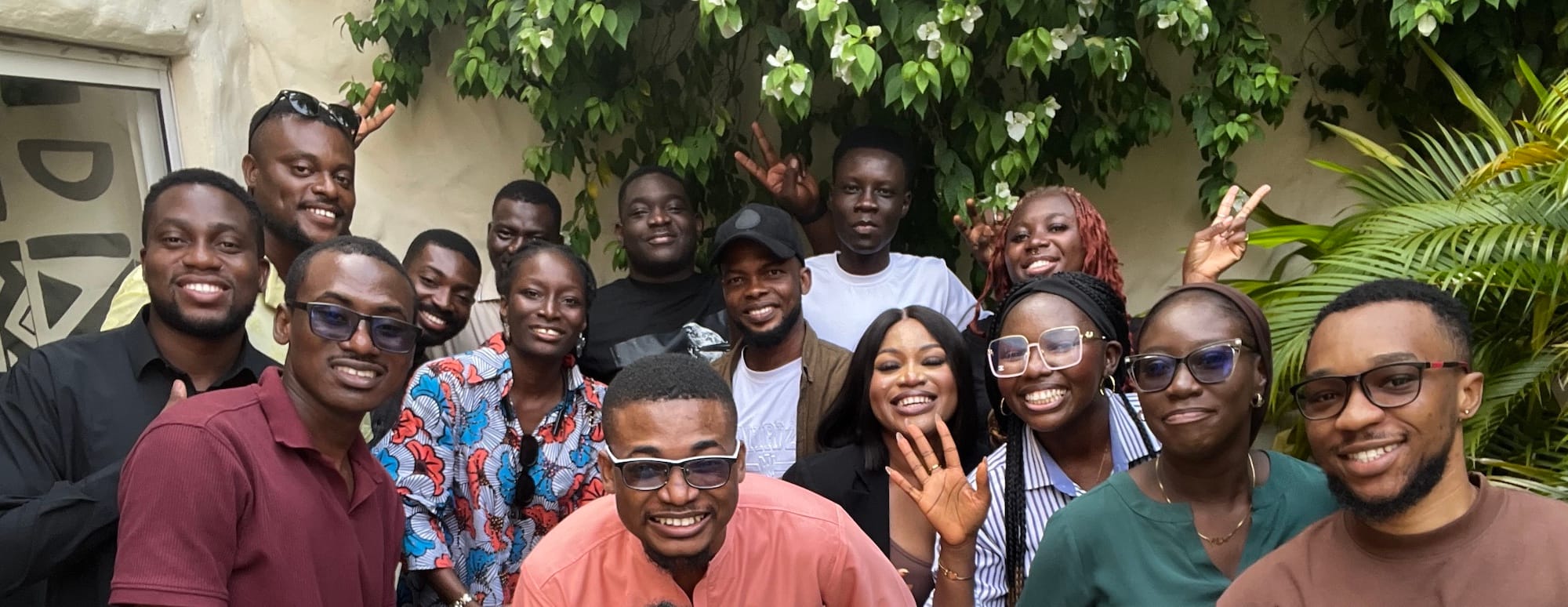
Even though SwiftXR was not exhibiting at Gamescom, carrying that partnership into the event had me asking a different set of questions as I moved through the exhibition floor:
What if immersive technology isn't primarily about creating another world?
What if it is about helping us understand this one better?
What if it can help someone, train a doctor, practise an emergency procedure, experience a product before buying it, engage with conservation, or create an entirely new business model?
And as I entered that final leg of my Gamescom journey, another question started taking shape: What could all of this mean for Africa? That is where this story begins.
Games and XR Are Closer Than We Think
Imagine your character dying in a video game and not being allowed to respawn. Your teammates have to find your mechanical heart, carry you across the game world to a 3D printer, and print you a new body.
That is the premise behind Expendabots, a game developed by Collision Games from Slovakia.
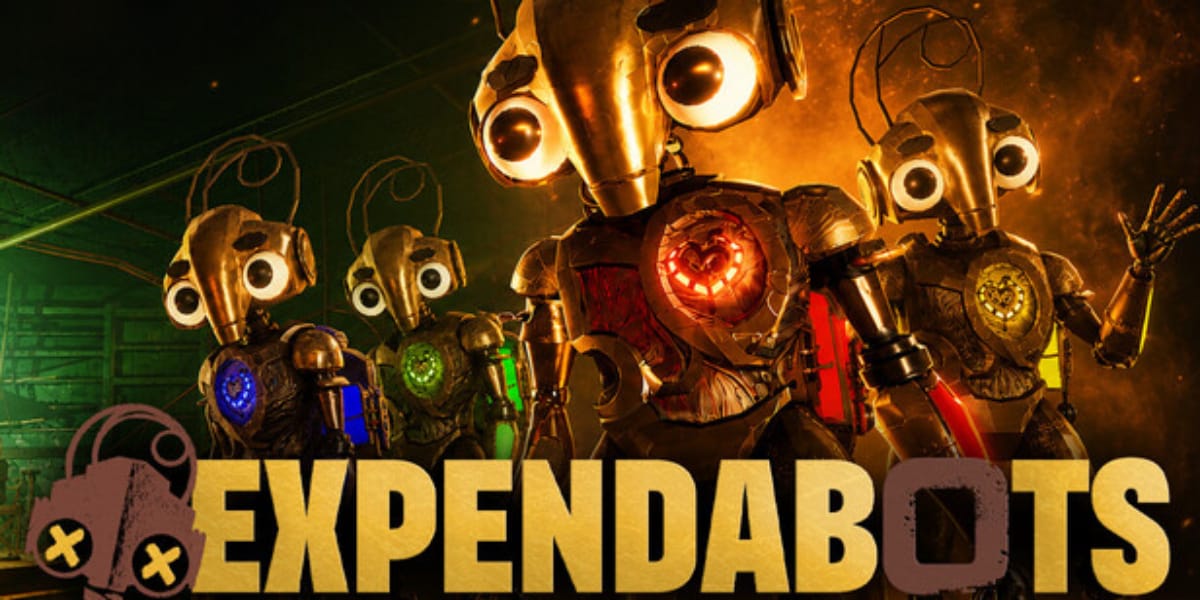
I spoke with Jakub Dielo, a game designer at the studio, and he shared that, as a team, they are big fans of 3D printing, so they wanted to bring it into the game. He also said that they were making some files accessible to the 3D printing community.
Suddenly, something from the physical world became part of the game's logic.
The boundary between physical and digital wasn't being explained to me. I was watching it disappear.
And that wasn't the only time I saw technology being used to make the physical world easier to understand.
In another conversation, Maximilian from Bruce B Corporate Communications, a German-based agency that creates interactive media, showed me how they use gaming technology to help companies communicate, explain products, and build better experiences.
One of their projects uses an interactive exhibit to help schoolchildren and adults understand how green hydrogen is produced. The company also develops VR experiences for medical technology.
XR Can Solve Problems That Are Difficult to Simulate in Real Life
What if you could practise being afraid without actually being in danger? That question sits behind ClaustrOFF, a VR experience I learned about through my conversation with Miroslav Beka of Fono Labs.
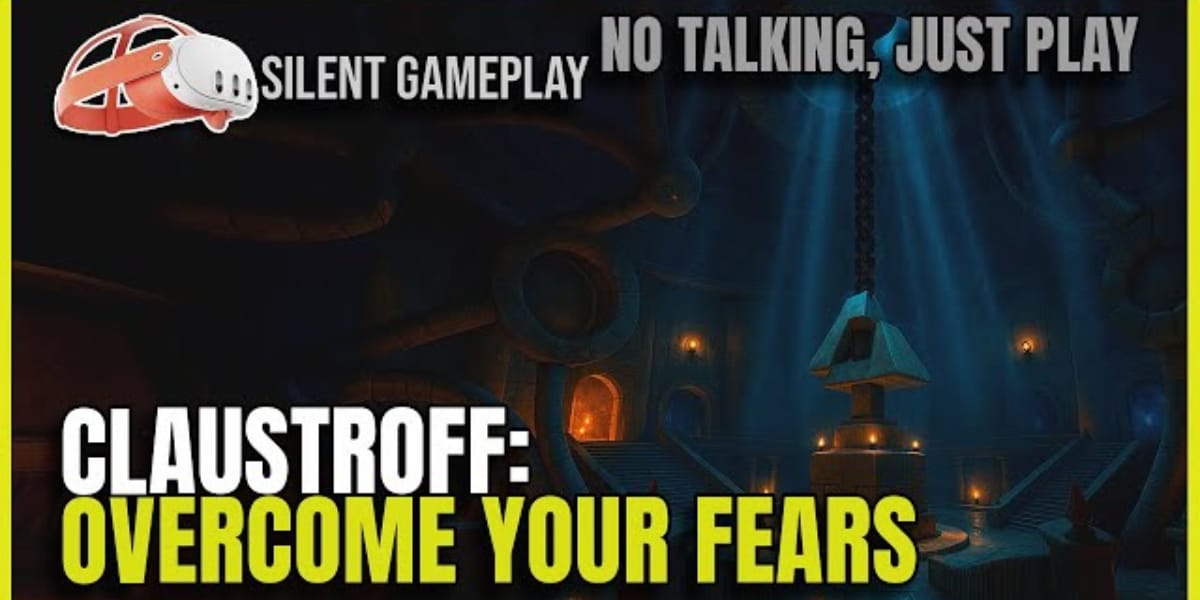
At Gamescom, Fono Labs was showcasing Control Freek, a fast-paced VR speed-running and button-pushing experience where visitors competed against one another on a live leaderboard. But it was the studio's work beyond the game that made me stop and think.
ClaustrOFF addresses claustrophobia by using VR to create a controlled environment where someone gradually encounters situations that trigger their fear. Fono Labs even experimented with monitoring participants' heart rates during playtests to understand levels of stress and panic.
Fono Labs is thinking about how its VR expertise can translate into outsourcing and contracts beyond its own products.
You don't necessarily have to build the next global XR platform to participate in the XR economy, you can build specialized expertise that becomes valuable to other businesses.
Africa Is Already Part of This Conversation
These ideas aren't entirely new in Africa. BlackRhino VR, for example, has been exploring immersive technology and its potential across the African market for a decade now.

They are an award-winning XR agency based in Nairobi, Kenya, specializing in immersive content creation, 360-degree video production, and digital training.
Their Moran StoryLab, which I was fortunate to be a beneficiary of, helped me develop skills in extended reality and immersive journalism.
When Gamescom Conversations Meet SwiftXR
By this point, I had started to realise that I was asking the same question in different forms:
What is the technology allowing someone to do that they couldn't do as easily before?
- With Collision Games, it was bringing physical manufacturing into a game's core logic.
- With Fono Labs, it was creating controlled environments for experiences that would be difficult to reproduce in real life.
And with SwiftXR, the question becomes commercial:
What if you could experience a product before you buy it?
SwiftXR sits at the intersection of immersive technology, commerce, and digital product experiences. Its work demonstrates that XR doesn't necessarily mean putting on a headset and entering a completely virtual world; sometimes it means bringing a digital product into your physical environment.
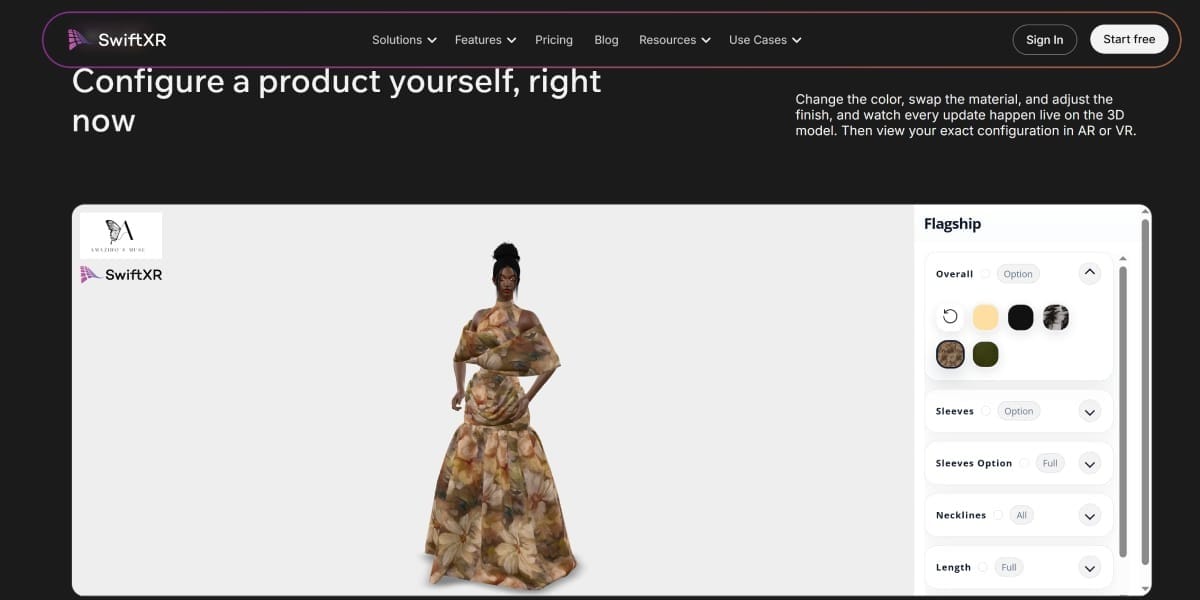
It can mean interacting with a product in 3D before buying it, trying on an item virtually, or giving a customer a clearer understanding of what they are purchasing. That changes the commercial conversation around XR.
Making Products More Tangible
One concrete example is SwiftXR's product configurator, which allows customers to explore fashion products in 3D and see how an outfit looks from every angle before purchasing. They have also developed virtual try-on experiences for products like hats and sunglasses, letting customers see how an item looks on them before buying.
SwiftXR leveraged its product configurator to create a solution for Amazino's Muse, a forward-thinking digital fashion brand focused heavily on 3D fashion, digital innovation, and sustainability.
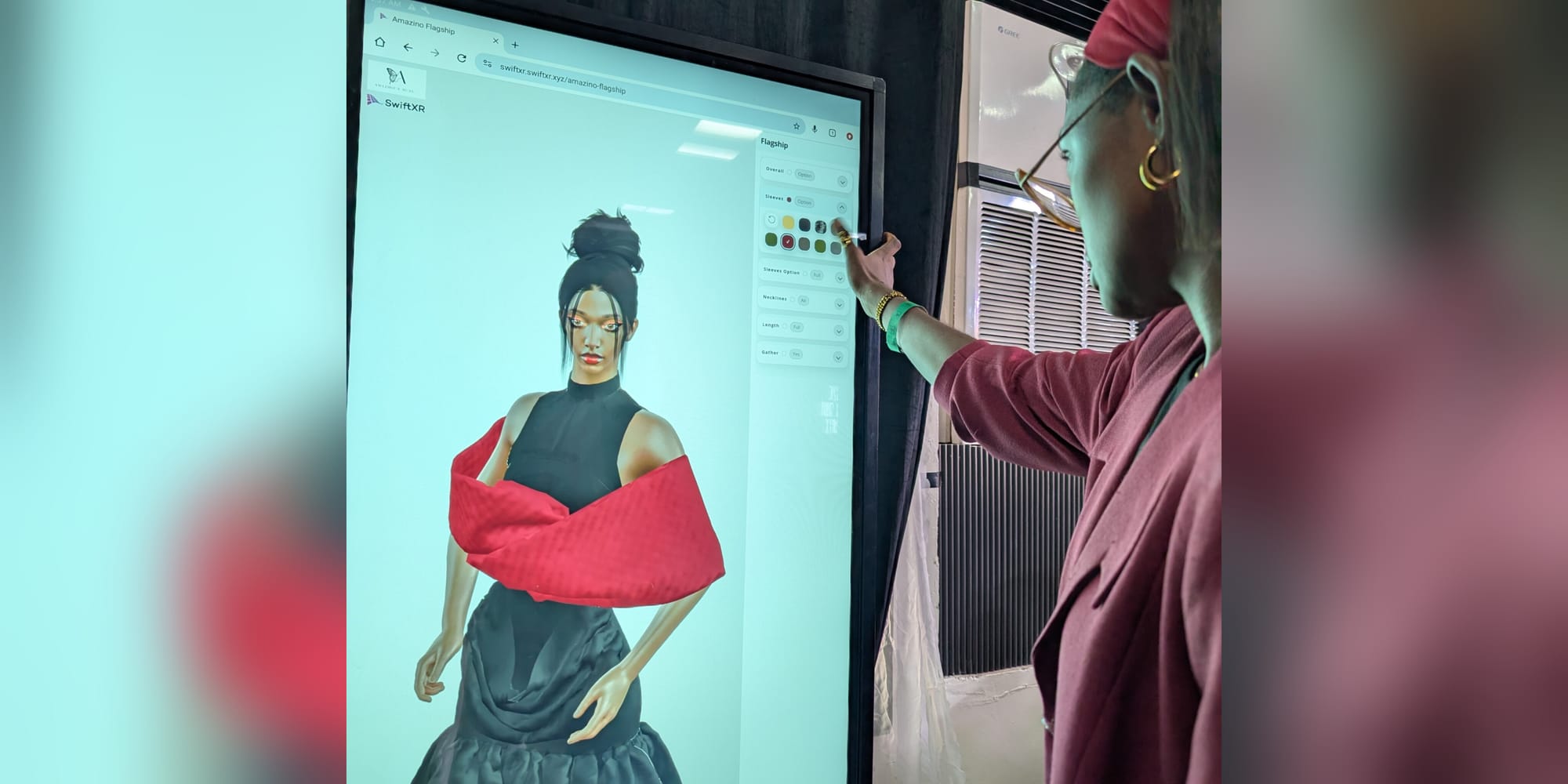
The fashion industry struggles enormously with waste; according to a UNEP report, 92 million tonnes of textile waste is produced globally every year.
Through its partnership with Amazino’s Muse, SwiftXR illustrated how digital tools can connect directly to African fashion to enable better visualization in e-commerce while driving sustainability.
Instead of creating physical samples for one-off exhibitions, the tool allows potential clients to inspect a complete 3D design, and physical production only begins once a purchase is made.
From Fashion to Conservation
Another African example that continues to stay with me is ArGO, created by Joanna Oluoch of Sike Studios.
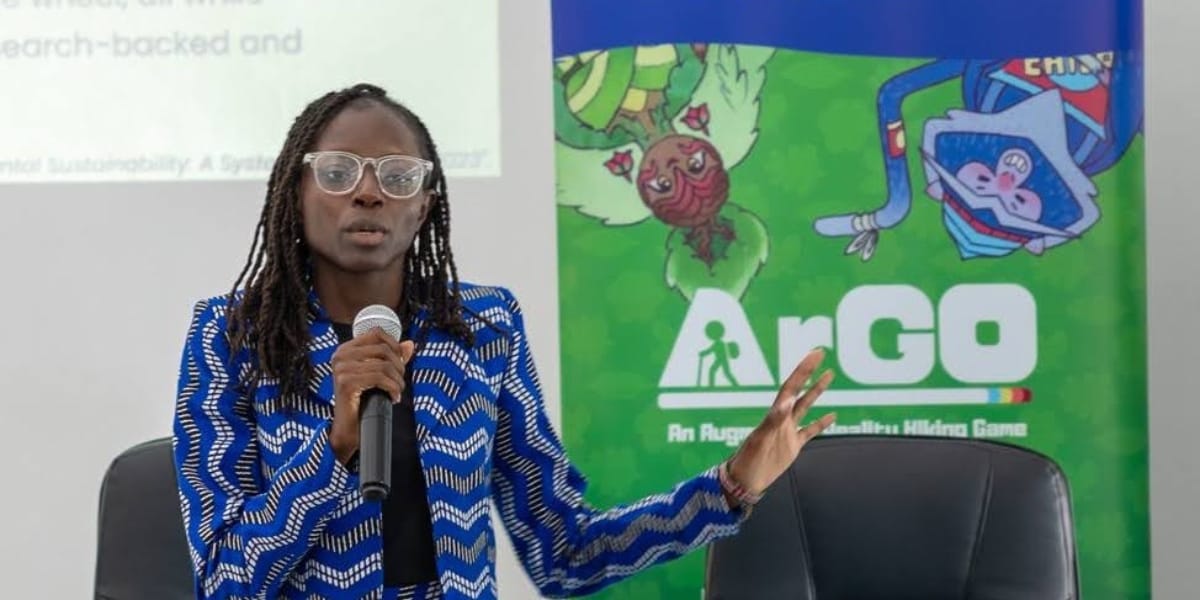
ArGO brings together augmented reality, hiking, and storytelling to create an experience connected to environmental conservation. What interests me is that the technology isn't the entire story. The point isn't how impressive the AR looks, but what the AR allows us to do, in this case, creating a new way for people to engage with conservation.
Joanna was also able to raise funding around the project, demonstrating that XR projects can attract real investment when technology is attached to a compelling problem, experience, or market opportunity.
The Opportunity for African Creators Isn't Only in Products
Games have already taught entire generations of creators how to build interactive worlds. They have developed deep expertise in 3D environments, animation, interaction design, storytelling, simulation, sound, artificial intelligence, and user engagement.
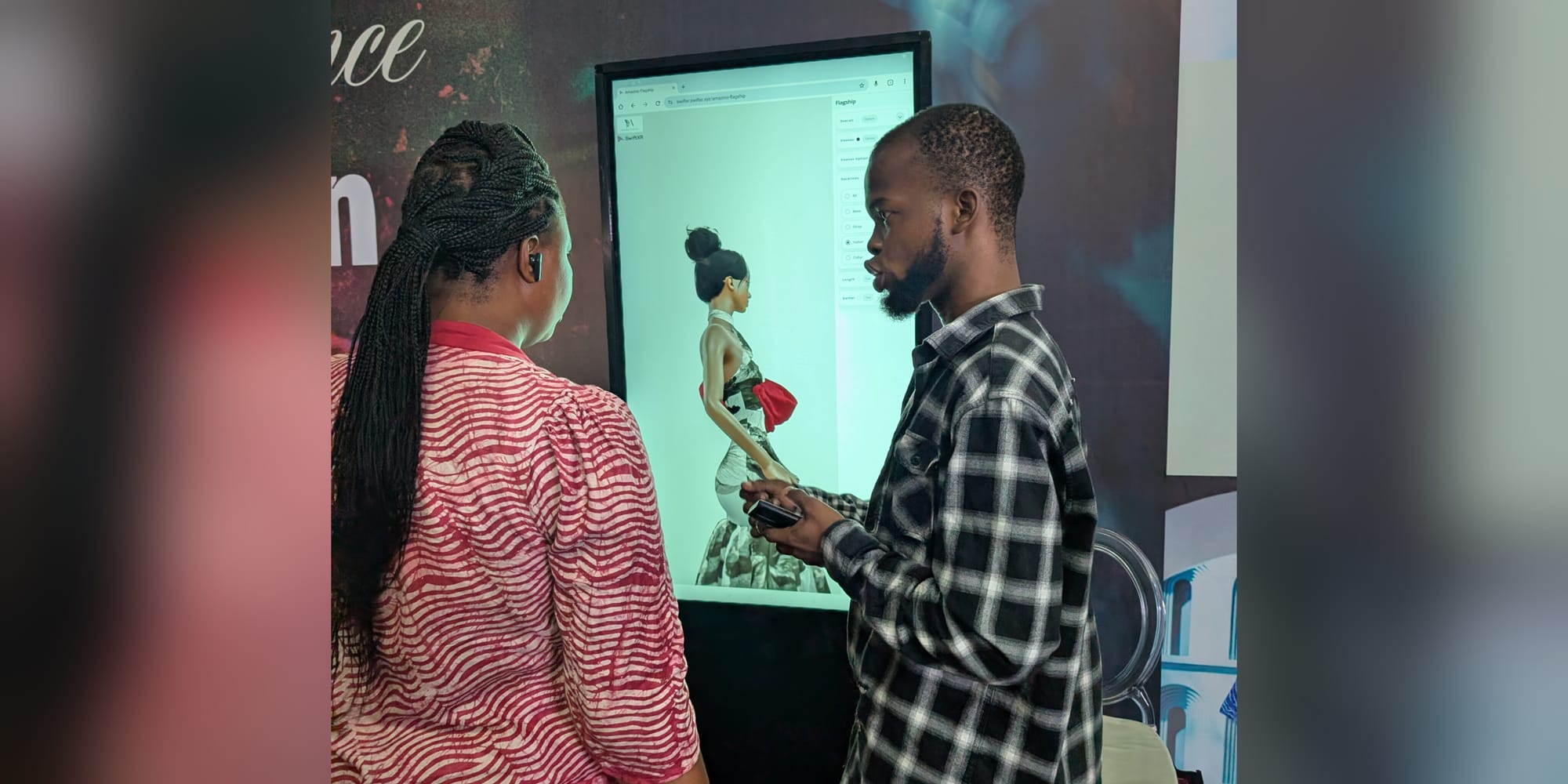
XR can take those skills and apply them elsewhere for example in healthcare, education, conservation, retail, fashion, tourism, industrial training, advertising, architecture, product design, corporate communication, and therapy.
But there is another opportunity we sometimes overlook: services.
African creative studios don't necessarily have to build their own global consumer product to participate in the international XR economy.
They can provide high-value services: 3D art, animation, interactive design, spatial experiences, virtual environments, technical development, storytelling, and content production.
At Gamescom, conversations with South African game studios such as Pineapple on Pizza Studios and Studio Bo reinforced something I was seeing across my interviews: African creative talent isn't only receiving value from global relationships; through offering services, African creators are actively creating value for global markets. The same principle applies directly to XR.
What Could This Look Like for Africa?
Africa doesn't need to reproduce every XR business model emerging in Europe or North America. We can look at our own problems, markets, and opportunities and ask where immersive technology makes genuine sense.
- Healthcare: Could XR help train medical professionals where physical simulation is expensive or difficult?
- Education: Could students experience places, processes, and historical events that would otherwise be inaccessible?
- Conservation: Could immersive storytelling create stronger connections between people and Africa's natural heritage?
- Fashion & Commerce: Could African brands use 3D, AR, and virtual experiences to reach international customers in new ways?
The opportunity isn't to build technology for technology's sake. It is to find the places where technology creates real value.
We already have creative minds building expertise in games, animation, design, and storytelling, the question is how those capabilities can be connected to markets willing to pay for them.
The Hardware Problem Is Still Real
For XR to reach a mass consumer audience, hardware needs to become lighter, more comfortable, and more accessible. But that doesn't mean the technology has to wait for a perfect future.
Enterprise applications make sense even with today's limitations. A training session doesn't require someone to wear a headset for eight hours, and a design review might take thirty minutes.
Consumer adoption and commercial usefulness don't have to happen at the same time. There are applications where today's hardware is already good enough to create immediate value.
Maybe the Biggest Opportunity Isn't the Headset
When I think back to Gamescom now, I don't think the most important XR lesson was about any particular device. It was about possibility:
- The possibility that technologies associated with games can become tools for industries far beyond entertainment.
- The possibility that African creators can build sustainable businesses around those applications.
- The possibility that XR can create new products, services, and revenue streams.
My partnership with SwiftXR gave me a practical way of looking at that question, demonstrating that XR doesn't have to begin with a headset or end with entertainment. It can help businesses present products differently, reduce uncertainty for customers, and make digital commerce feel tangible.
The opportunity isn't simply to build more immersive technology. It is to find meaningful problems that immersive technology can solve.
A Note from Gamescom
This article grew out of my Gamescom 2026 documentation, where I interviewed 30+ industry stakeholders from 12+ countries.
My Gamescom journey was supported by the Africa–Europe Partnerships for Culture: Audio-visual programme, funded by the European Union, with co-funding from GIZ and the French Ministry of Foreign Affairs, jointly implemented by GIZ and Expertise France in a Team Europe approach.
Special thanks to Linda, Victor, Emmanuel, Mary, and Débora for their support, guidance, and encouragement throughout this journey.
And thank you to SwiftXR for the partnership that gave me another lens through which to explore where immersive technology, commerce, and Africa's creative technology industries intersect.
The conversation is only beginning.
Pineapple on Pizza Studios and other studios mentioned in this article are listed in the IsaKaba Studios Directory.