How a former pharmacist taught himself game development to build Formula Z
“One minute you’re a programmer, the next you’re a 3D artist, a sound designer, or a game tester”

Saudi-based developer Ziyad Abdullah is a licensed pharmacist who left his job to pursue game development, teaching himself programming before spending two years building his first major project, Formula Z: Controlled Dose, an open-world pharmacy and business simulation.
Ahead of the game's launch, we spoke to Ziyad about turning his pharmacy experience into a game, the challenges of building Formula Z alone without AI-generated content, and his hopes for the game's launch on Steam.
IsaKaba: Can you tell us a little bit about yourself? How did you initially get into the games industry?
Ziyad Abdullah: I’m a 27-year-old licensed pharmacist from Saudi Arabia, and now a solo indie game developer. I’ve been passionate about video games since I was a kid, but I never really imagined I’d be making one myself. I graduated from pharmacy school with excellent academic results and worked as a pharmacist for three years.
Funny enough, my journey into game development actually started with my brother. I was encouraging him to get into game development and even suggested a game idea for him to work on. That conversation stayed in my head, and during my last vacation from work, I started thinking: Why don’t I try making a game myself?
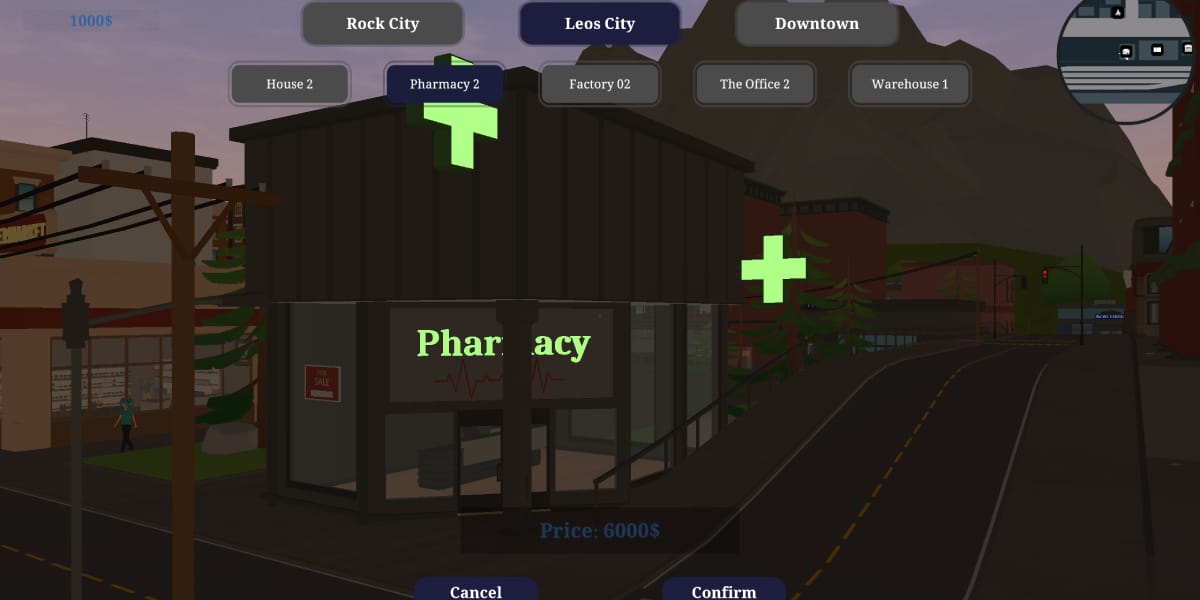
But I didn’t want to make just any game. I wanted to create a large simulation game that combined my knowledge of pharmacy with my love for gaming. I had absolutely no experience in game development at the time. I started learning C# through YouTube and other online resources, experimented with Blender, and built two small Unity games by following tutorials.
Once I understood all of the basics, I decided to stop following tutorials and start building something of my own. My original estimate was that Formula Z would take six months to finish. Well, here we are, two years later!
What led you to leave pharmacy and pursue game development full-time, despite having no prior experience? And what does a typical day look like for you now?
Initially, I wanted to pursue business opportunities, but eventually I found myself drawn toward game development. Although I was doing well professionally, I eventually realised that pharmacy wasn’t what I wanted to spend the rest of my life doing, so I left my pharmacy job because I wanted to create something of my own.
So, for the past two years, I’ve been working on Formula Z full-time. And when I say full-time, I mean a minimum of 10 hours a day, every single day. I haven’t taken a single day off since I started developing the game.
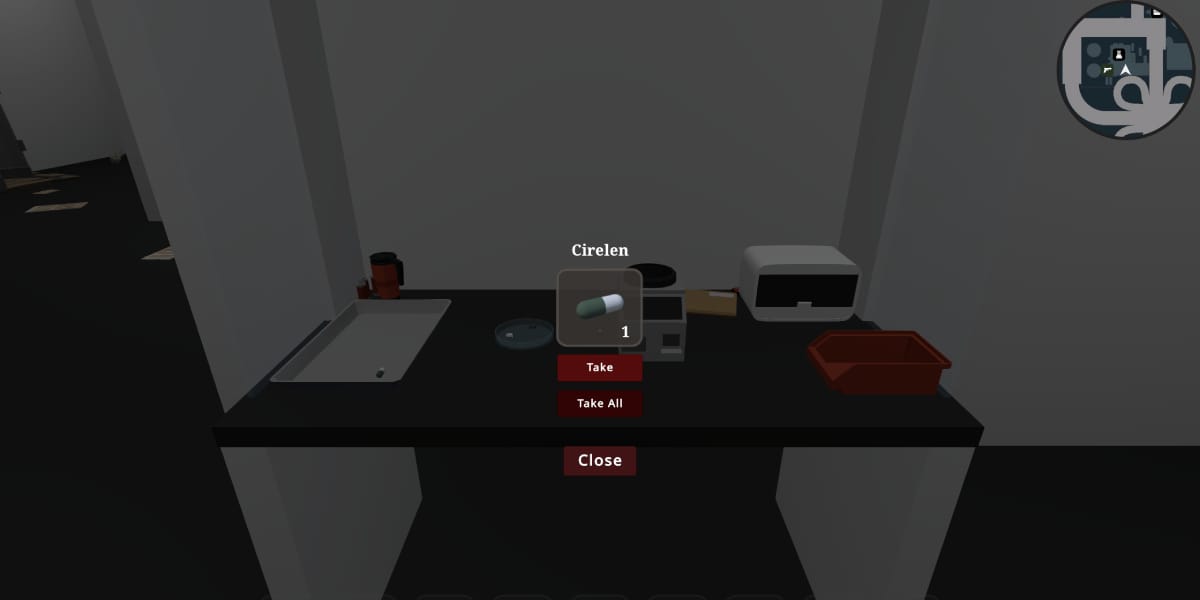
A typical day involves waking up, getting straight to work, and spending most of my time in Unity. Some days I’m programming gameplay systems, other days I’m working on 3D models, animations, sound effects, UI, or optimizing performance. There’s always something that needs attention. The interesting thing about being a solo developer is that you don’t really have a fixed job description.
One minute you’re a programmer, the next you’re a 3D artist, a sound designer, or a game tester. Sometimes you’re all of them in the same hour. It has been physically and mentally exhausting, and I’ve sacrificed a lot of my personal time. But seeing something that started as a simple idea gradually become a complete, playable game has made those sacrifices feel meaningful.
Talk to us about Formula Z. What stage is the game in right now, and what platform are you targeting for launch?
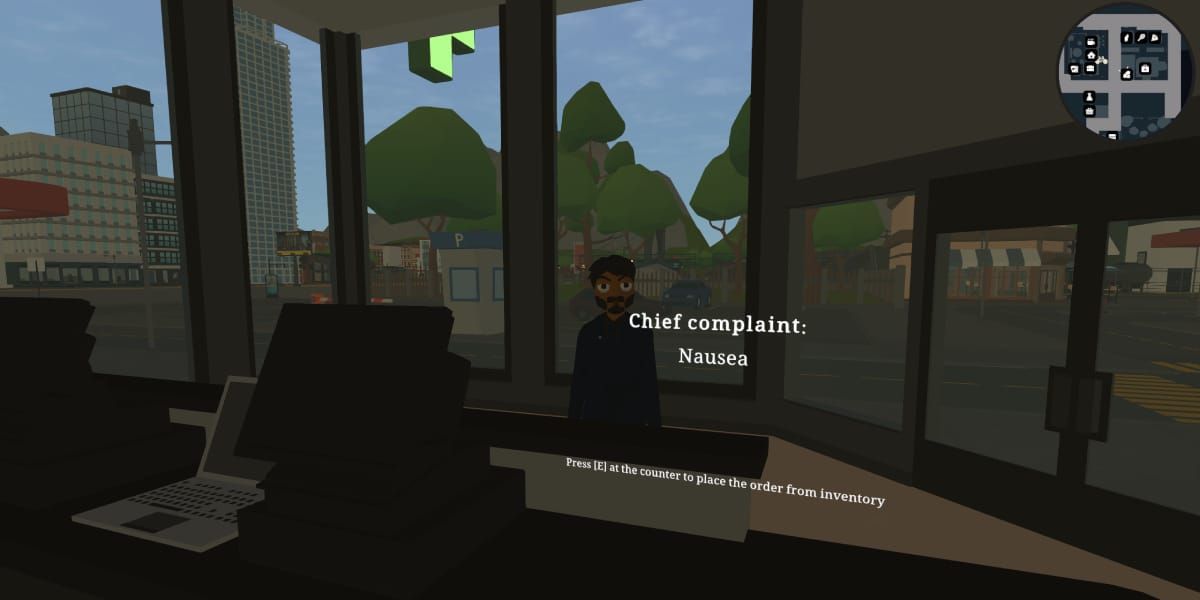
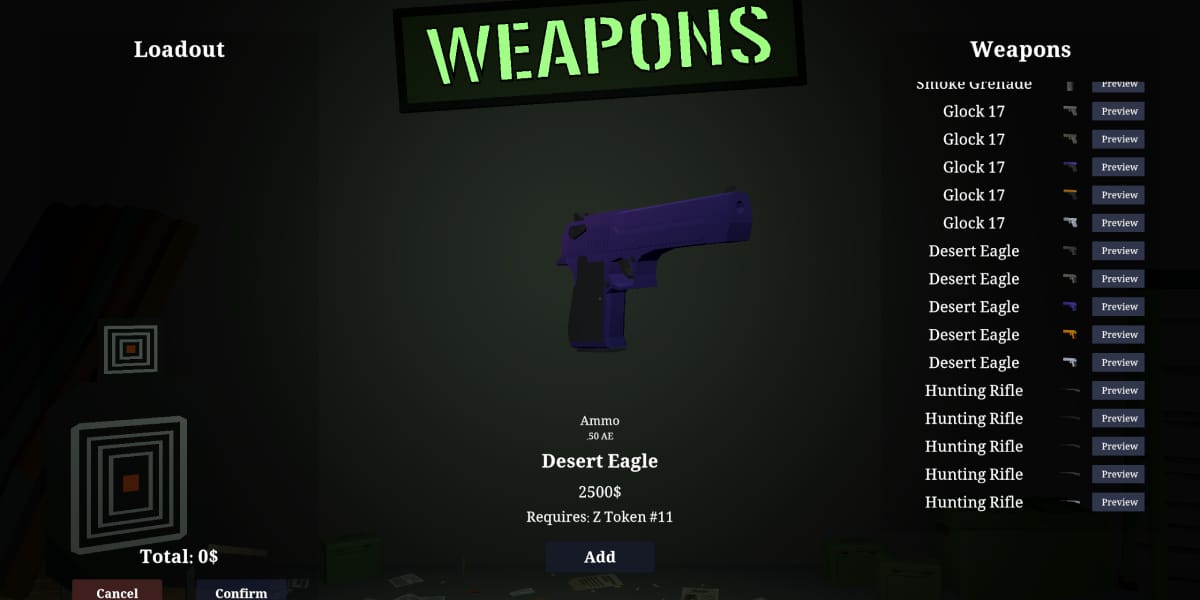
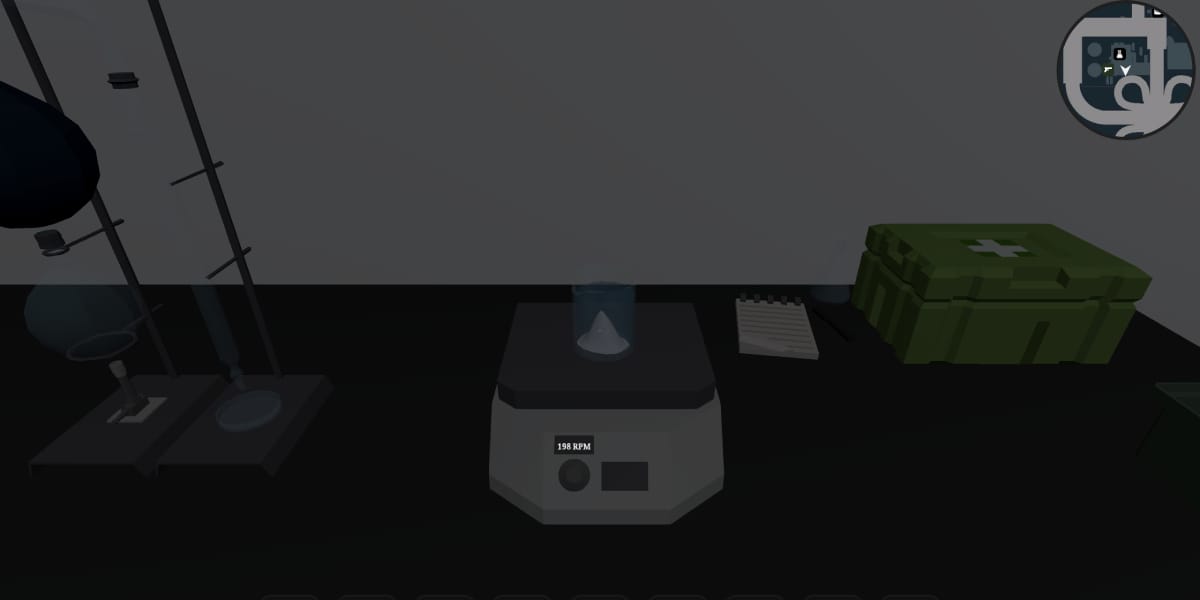
Formula Z: Controlled Dose is a first-person, open-world pharmacy and business simulation game that I’ve been developing for approximately two years. The game begins with you running your own pharmacy. You’ll serve customers, identify suitable medications for their complaints, manage inventory, order supplies, and gradually build your business.
But the pharmacy is only the beginning. As you progress, you can purchase additional pharmacies, establish pharmaceutical factories, hire employees, manufacture your own fictional medications, and expand into other businesses. There’s also a more unusual side to the game.
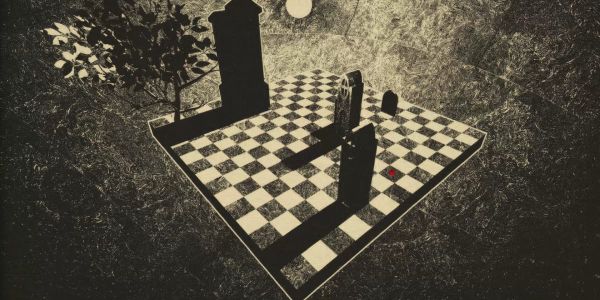
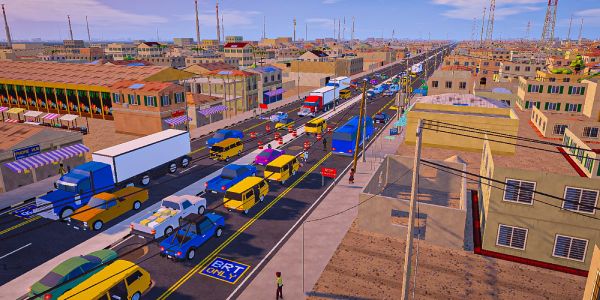
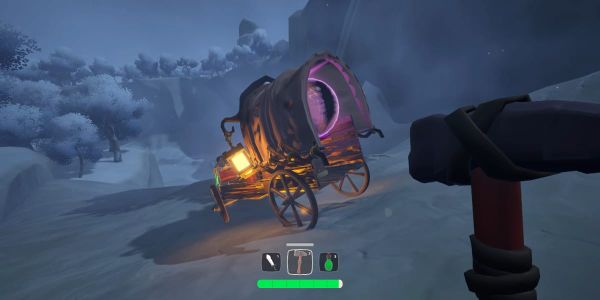
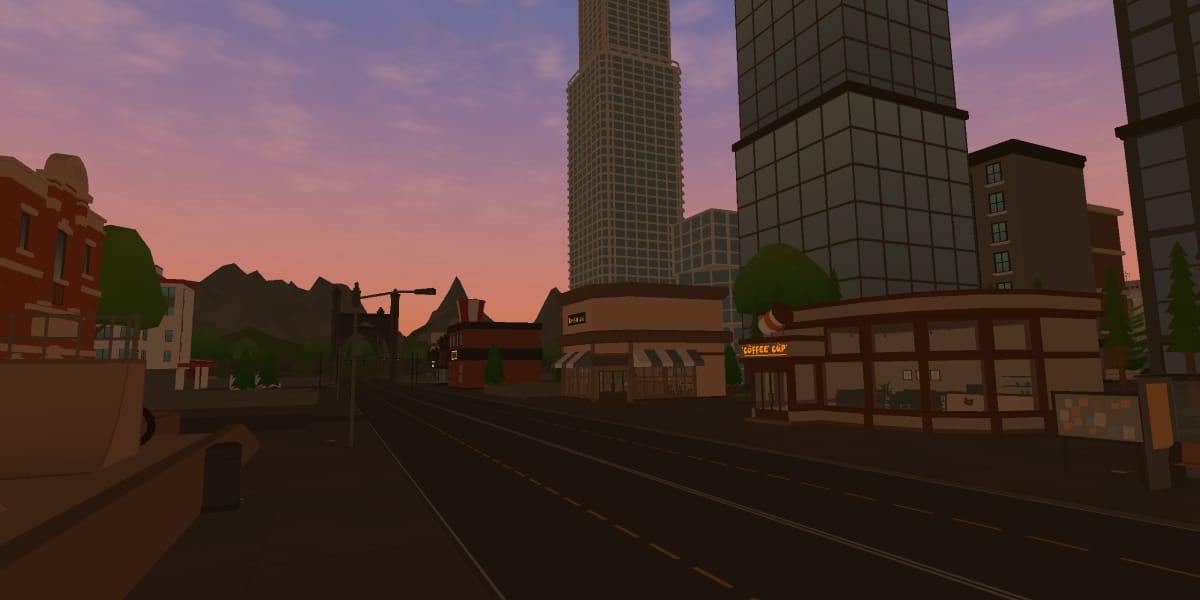
Players can manufacture medications that haven’t received approval from the fictional FDZ authority, make deals outside the traditional pharmacy business, and deal with the consequences of their decisions. I wanted to build a simulation game that gives players the freedom to choose how they want to play. They can focus on running businesses, explore the open world, drive vehicles, purchase properties, or travel between four different eras.
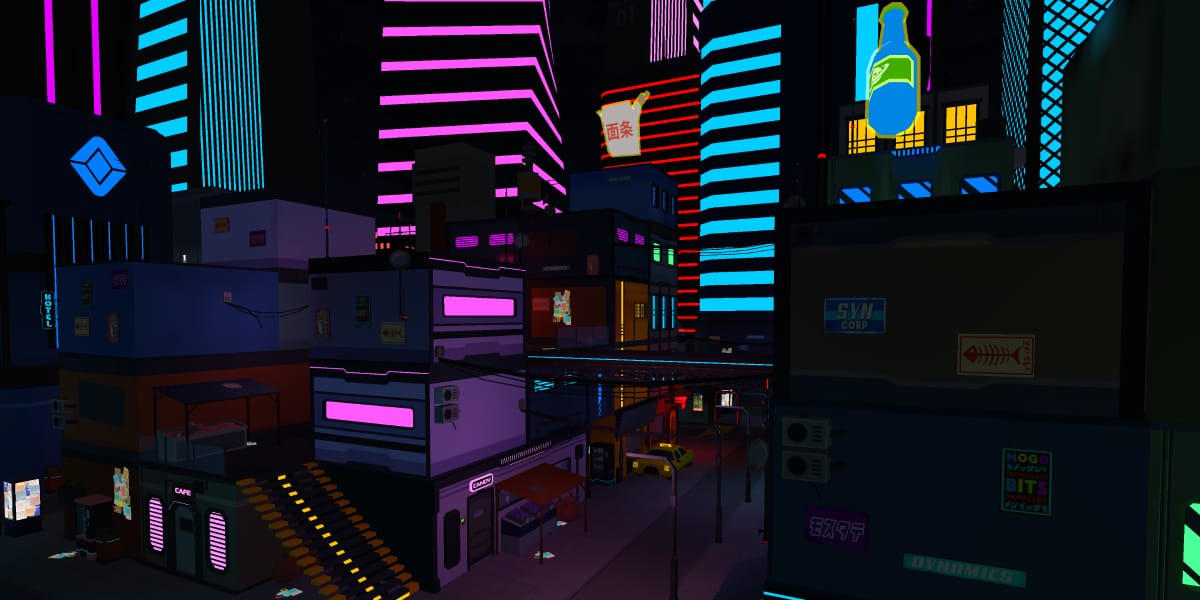
Development is now complete, and I’m in the final stages of preparing for release, polishing the experience and making sure everything is ready for release on PC. It’s entirely self-published, which makes reaching this stage especially meaningful to me.
How much of the game is based on your experience as a pharmacist, and how much comes from your imagination?
I’d say around 40% of Formula Z comes from my knowledge and experience as a pharmacist, while the other 60% comes from my imagination and what I believe makes a game enjoyable. My pharmaceutical background helped me design the pharmacy systems, medication indications, customer complaints, insurance verification, and other aspects of running a pharmacy.
But I never wanted Formula Z to feel like a pharmacy training simulator. I wanted something that people could enjoy even if they knew absolutely nothing about medicine. That’s why I introduced things like simple pharmaceutical manufacturing, business expansion, time travel, open-world activities, and some illegal opportunities for players who want to take a different path.
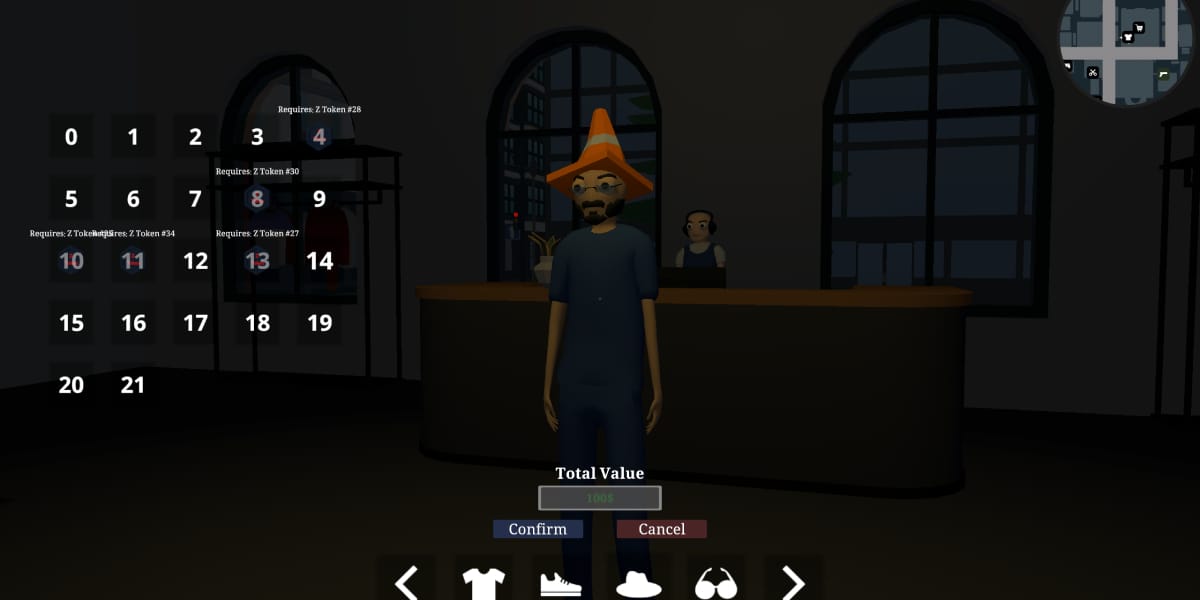
The medications themselves are fictional, which also gave me the creative freedom to experiment with ideas that wouldn’t necessarily make sense in the real pharmaceutical industry. For me, the goal was always to find the right balance between realism and entertainment. My professional background gave the game its foundation, but my imagination is what allowed it to grow into something much bigger.
You’ve said Formula Z was made without AI-generated content. Why was that important to you, what tools and game engine did you use, and did you receive help with any part of development?
Yes, Formula Z contains no AI-generated content, and that was an important decision for me. I believe creative people deserve opportunities, especially independent artists and developers who are trying to build careers from their skills. I wanted the creative content in my game to come from human work rather than generated assets.
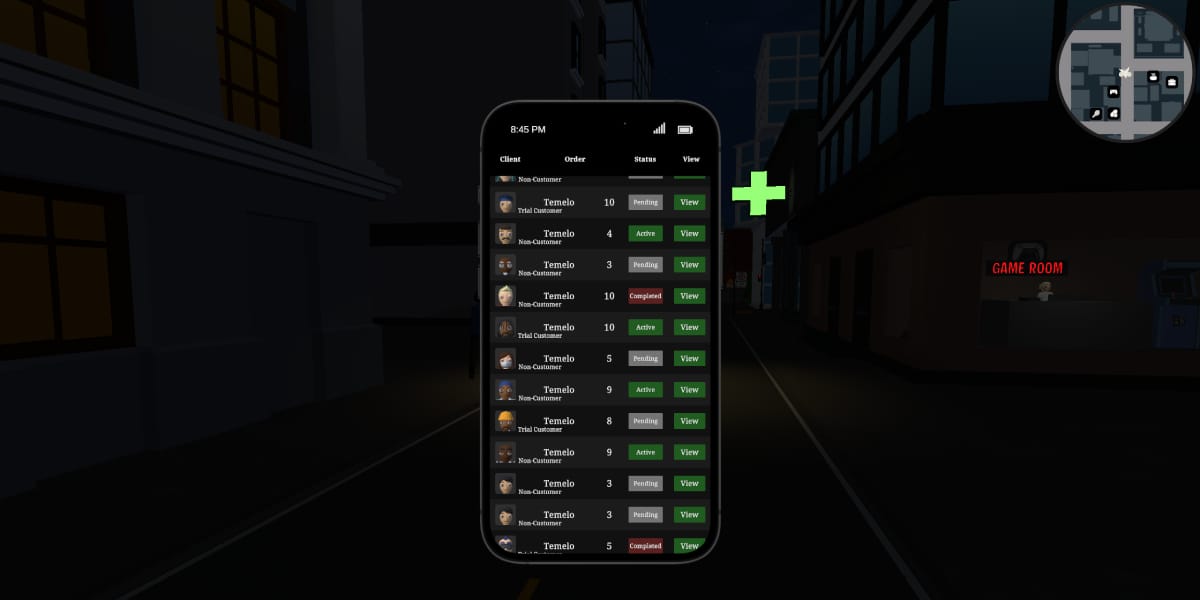
Of course, being a solo developer with limited resources meant I had to find practical solutions. I developed Formula Z using Unity and C#, and Blender became one of my most important tools for working with 3D models. I purchased assets from the Unity Asset Store, CGTrader, sketchfab license, primarily 3D models and prefabs.
However, I modified 90% of them in Blender to reduce polygon counts and improve performance so that players with lower-end PCs would have a better chance of enjoying the game. And modified them to fit my game visuals and vision. I created many 3d models myself from scratch and also created much of the game’s artwork myself using Canva.
I’m not a professional graphic designer, and I know my artwork isn’t perfect, but I enjoyed learning and creating it myself. My sister also contributed to some of the Formula Z artwork, which makes those pieces extra special to me. For promotional materials, I’ve also worked with external creatives, including help with trailer editing only. The rest is me.
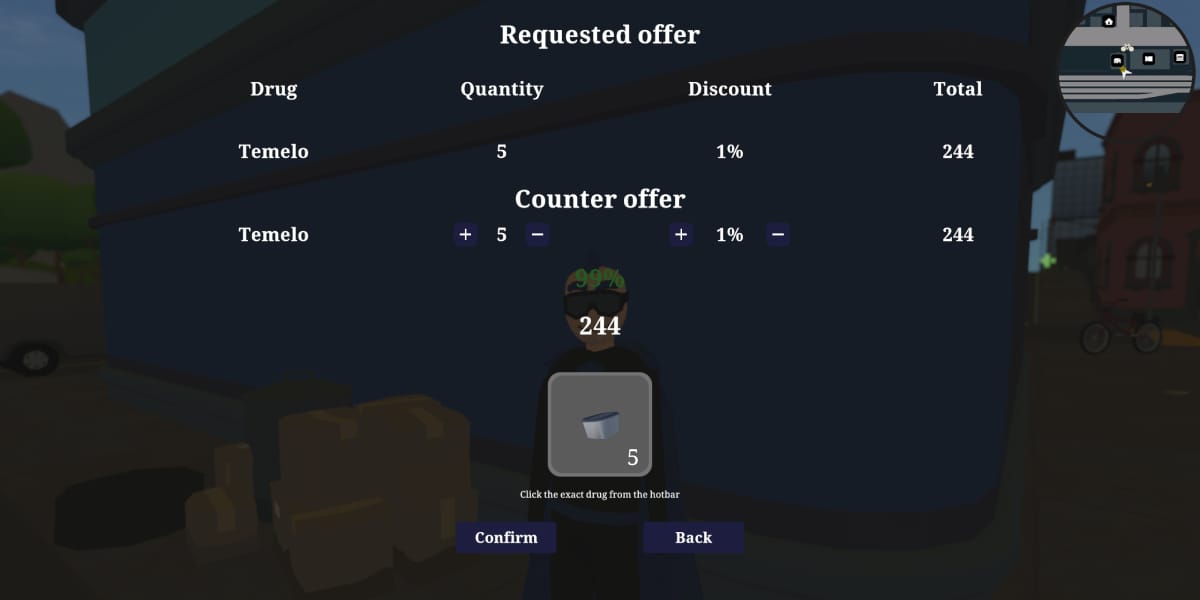
One thing this journey taught me is that being a solo developer doesn’t necessarily mean making every single asset from scratch. It’s about taking responsibility for bringing all the different pieces together into a complete game.
What were some challenges you faced throughout the development process? Were there any moments where you felt the game might not come together? And how is development currently being funded?
I could probably write an entire book about the challenges I’ve faced over the past two years. When I started Formula Z, almost everything was new to me. Programming, 3D modeling, animation, lighting, user interfaces, sound design, optimization, and countless other things. Every new feature meant another learning curve.
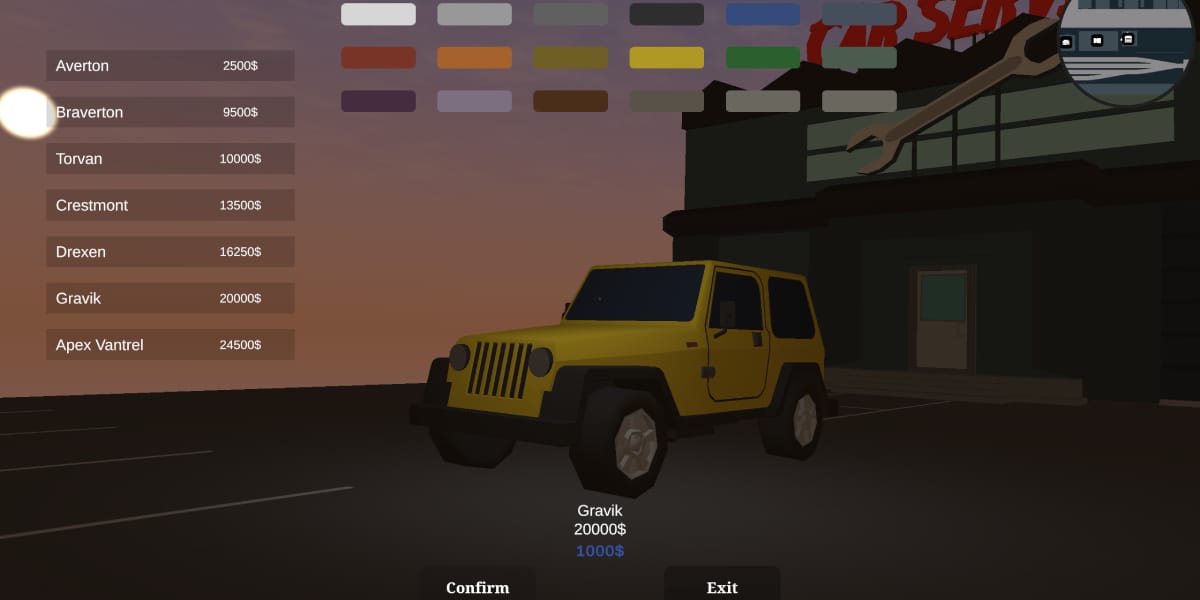
Sometimes I’d spend days learning how something worked before I could even begin implementing it. One example I’ll never forget is the vehicle movement system. I spent almost two weeks working around 12 hours a day, just trying to make the car controls feel decent. Two weeks just to make a car drive properly! And that’s only one small part of the game.
But the biggest challenge wasn’t programming. It was the responsibility of handling everything alone. When you’re working in a team, you can discuss ideas, divide responsibilities, and ask someone else to help solve a problem. When you’re alone, every problem eventually comes back to you. You have to think about every detail, how each system works, how it connects to the others, and whether changing one thing might break five others.
There were difficult moments when the amount of work felt overwhelming. I’d solve one issue only to discover three more waiting for me. And because I’d never developed a game of this size before, I was constantly learning while trying to move forward. The personal sacrifices have also been significant. I’ve become extremely isolated during development.
I’ve barely kept in touch with my friends over the past year because almost all my time and energy have gone into this project. There have been days when I was mentally exhausted but still pushed myself to finish what I was working on. And that’s something people don’t always see when they look at an indie game. They see the final product, but not the thousands of hours, failed attempts, frustration, and sacrifices behind it.
Formula Z has been an independent, self-funded project, without a publisher or a development studio supporting me. I’ve had to manage development expenses and resources carefully throughout the process. Despite everything, I’m proud that I didn’t give up. I started this journey knowing almost nothing about game development. Now, two years later, I’m preparing to release my own game on Steam. Regardless of what happens after launch, that alone is something I’ll always be proud of.
Who is the primary audience for Formula Z? What do you think makes your game stand out, and what part of the experience do you most want players to enjoy?
Formula Z is mainly aimed at players who enjoy simulation games, open-world exploration, business management, and progression. But I don’t think you have to be interested in pharmacy or medicine to enjoy it. What makes Formula Z different, in my opinion, is how many different experiences are connected together.
You can start with a relatively small pharmacy, work your way up to owning multiple businesses, manufacture medications, explore different eras, and participate in various open-world activities. I tried to create a world where players always have something new to work toward, whether that’s expanding their business, unlocking another era, purchasing an expensive property, or simply exploring.
I also wanted players to have the freedom to approach the game in their own way, rather than being forced into one specific activity all the time. What I’m most excited about is watching people discover things for themselves.
After spending two years knowing where almost everything is and how every system works, I really want to see someone experience it all for the first time. I’m especially looking forward to seeing which parts players enjoy the most, because I have a feeling some of their favourite moments might be things I never expected.
What are your expectations for the Steam launch? Do you foresee becoming a full-time game developer if Formula Z performs beyond expectations? And do you have other games or projects in the works that we can look forward to?
I have very high hopes for it. I’ve dedicated two years of my life to this project, so naturally I dream of seeing it succeed. I’d love for it to reach a large audience, and seeing major content creators like CaseOh or oPiiLz playing the game would honestly be incredible. At the same time, I understand that releasing a game is unpredictable, especially when you’re an independent developer without a major marketing budget or an established audience.
I’ve done everything I reasonably can to prepare Formula Z for launch. Now I’m looking forward to seeing how players respond. As for becoming a full-time game developer, I think I’ve already been one for the past two years! The difference is that I haven’t had the financial security that usually comes with a full-time career.
If Formula Z performs well, I’d absolutely love to continue developing games professionally and build a sustainable future doing something I’m passionate about. And yes, I definitely want to make more games. I don’t have another project in development right now because all my attention has been focused on Formula Z. But I have plenty of ideas I’d love to explore.
Before any of that, though, I think I owe myself something I’ve been putting off for two years: a proper break. I’d love to take about a month off after release, spend some time with family and friends, clear my mind, and experience life outside Unity for a little while. Then hopefully, I’ll come back with a fresh mind, a new idea, and another adventure to begin.
Whatever happens with Formula Z, I’m grateful that I took the risk of pursuing game development. It hasn’t been an easy journey, but it’s a decision I don’t regret.
Formula Z: Controlled Dose launches on PC via Steam tomorrow, October 20th. Players can purchase the game via Steam.